Initial Engagement
A standard 118-degree or split-point tip bites into the material to start the cut.

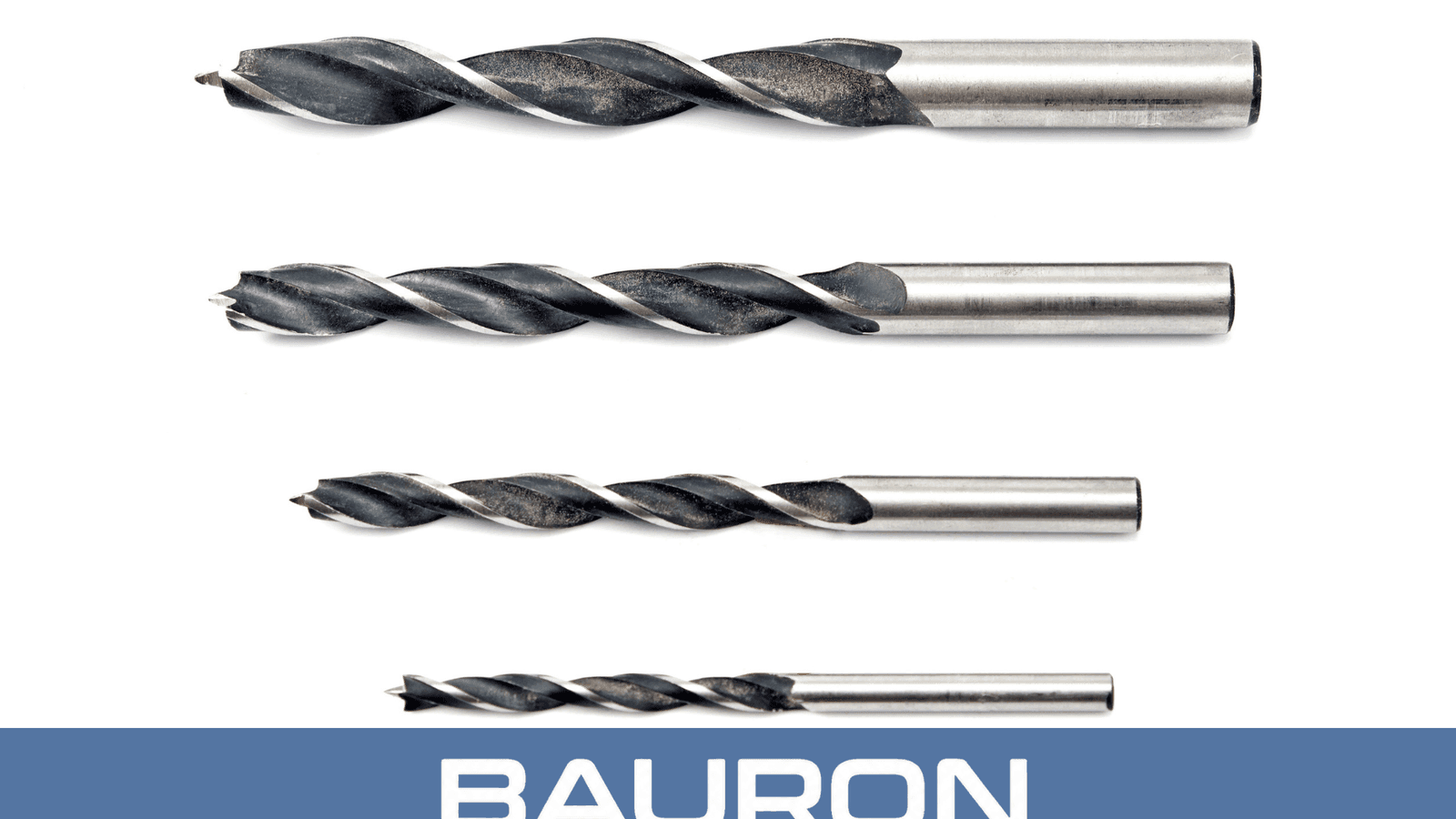
Jobber length drill bits are widely used hole-making tools. Engineered with a flute length typically 9 to 14 times the tool diameter, a jobber length drill bit balances extended reach with structural rigidity.
A standard 118-degree or split-point tip bites into the material to start the cut.
Two cutting lips slice through wood, metal, or plastic as the tool rotates.
Helical flutes carry chips and debris up and out of the cavity.
The tool maintains a straight trajectory to produce a clean, uniform bore.
The length-to-diameter ratio balances reach and rigidity for general-purpose drilling.
A 135-degree split point helps prevent walking on slick metal surfaces.
Standard straight shanks fit handheld power drills and drill presses.
Thicker webs than extra-long drills minimize the risk of snapping under lateral pressure.
Standard spiral flutes eject chips across varying material densities.
Broad material and machine compatibility supports economical general-purpose use.
| Specification | Range / Details |
|---|---|
| Diameter Range | 1/64" to 1" (Standard, Metric, Wire, and Letter sizes) |
| Point Angle | 118° (Standard) or 135° (Split Point) |
| Flute Type | Standard Spiral (Right-Hand Cut) |
| Shank Type | Straight Cylindrical |
| Flute Length Ratio | Approximately 9x to 14x drill diameter |
| Operation Type | General-purpose hole boring |
| Material / Coating | Best For | Key Advantage |
|---|---|---|
| HSS (High-Speed Steel) | Wood, plastic, and mild steel. | A versatile and economical material for everyday jobber length drill bits. |
| Cobalt (HSS-Co) | Stainless steel and harder alloys. | Resists high heat during continuous drilling in tough metals. |
| TiN Coating (Titanium Nitride) | High-volume production and repetitive tasks. | Reduces friction, increases surface hardness, and extends tool life. |
HSS supports general work in wood, plastic, and mild steel; cobalt HSS adds heat resistance for tougher alloys; and TiN coating reduces friction in repetitive production.
Support on-site drilling tasks for contractors and mechanics.
Provide stable vertical control for accurate, repeatable hole creation in workshops.
Use jobber drills as general-purpose tools for automated, high-speed hole making.
Bores clearance holes for bolts and fasteners in mild-steel and aluminum framing.
Functions as a general-purpose drill for creating clean holes in cabinetry and construction timber.
Provides everyday hole creation for facility upkeep and automotive repairs.
Drills through acrylics and PVC while controlling heat buildup.
"Jobber length" refers to the proportion of flute length to drill diameter. The flute is generally 9 to 14 times the diameter, balancing drilling depth and structural rigidity.
A 118-degree point suits softer materials such as wood, plastic, and aluminum. A flatter 135-degree point, often split, bites into harder materials such as stainless steel and helps prevent the bit from walking.
Standard HSS jobber drills can dull or overheat quickly in hardened steel. Cobalt HSS or solid carbide variants withstand more of the heat generated when drilling tough alloys.
Modern improvements include metallurgical treatments, microscopic edge honing, and vacuum-applied coatings such as TiN or TiAlN that reduce friction and increase heat resistance.
Small diameters generally do not require a pilot hole, particularly with a 135-degree split point. For diameters above roughly 3/8 inch, a pilot hole reduces thrust force and helps center the final hole.
Bauron provides design and engineering support for application-specific tooling requirements. Share the geometry, material, coating needs, and machining challenge for technical review.
Talk to Engineering