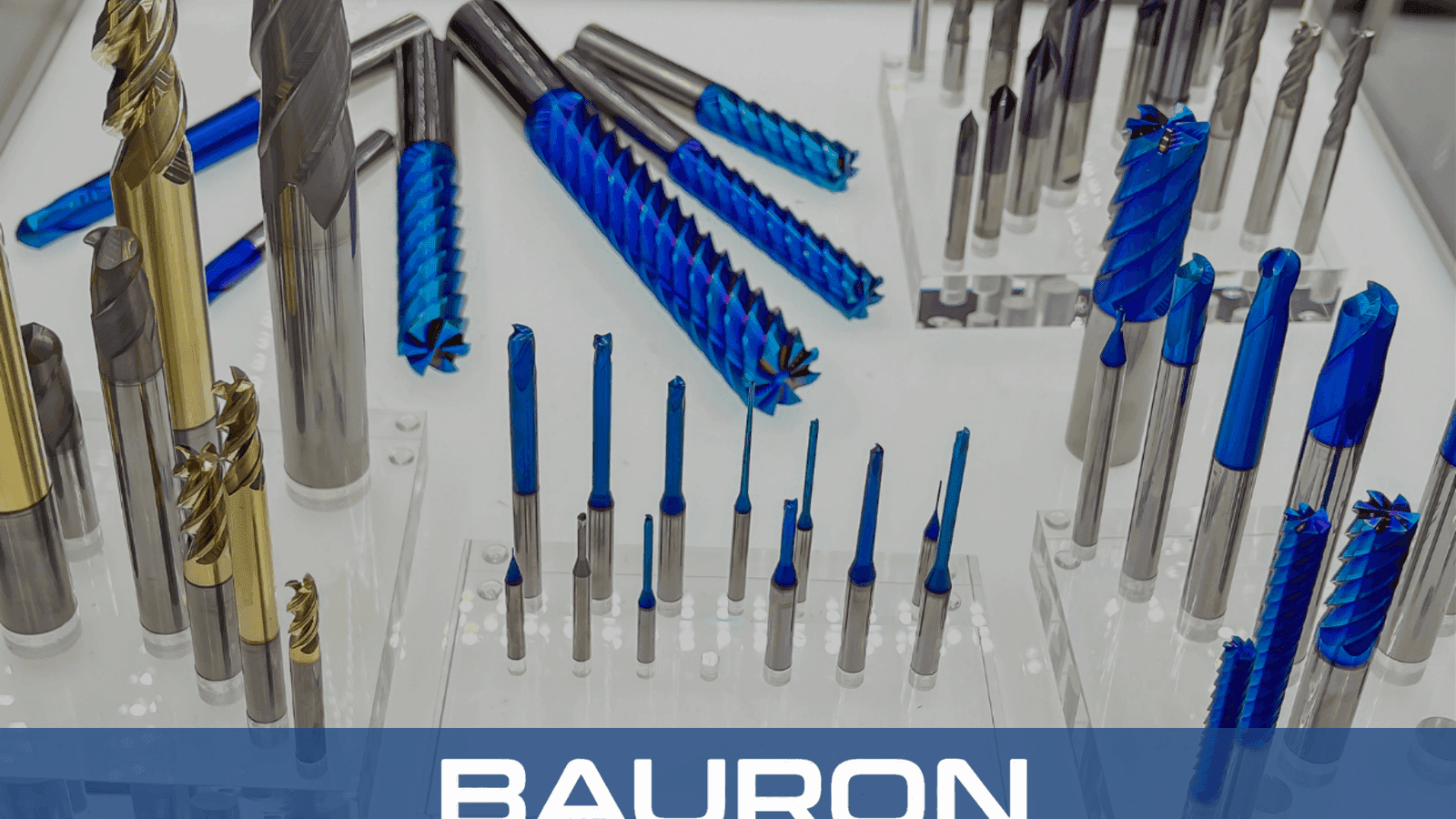
Reach-Through Entry
The reduced neck passes through a pre-machined bore or slot without contacting the entry wall.

Back corner rounding end mills place radii on rear edges that are inaccessible from the main tool approach. Unlike standard front-cutting corner rounding tools, they reach through a hole or past a shoulder to machine a hidden back-side edge.
The reduced neck passes through a pre-machined bore or slot without contacting the entry wall.
Axial or radial feed brings the back-facing concave radius into contact with the sharp rear lip.
The tool follows the edge geometry to mill smooth, uniform radii on internal features.
Back-side deburring and edge rounding can be completed without flipping the workpiece into a second fixture.
Radiuses front and back features in one setup, reducing cycle time and labor.
Produces consistent corner radii compared with manual deburring methods.
Shank-to-neck geometry provides reach into narrow bores while limiting tool interference.
Flute spacing is designed to reduce chatter during interrupted cuts on back-side contours.
Replacing sharp internal corners with smooth radii reduces stress concentrations in pressure-critical parts.
| Specification | Range / Details |
|---|---|
| Radius Sizes | 0.010" to 0.500"+; metric 0.25 mm to 12 mm+ available |
| Flute Count | 2, 3, or 4 flutes with material-specific geometries |
| Profile Form | Reverse concave corner-radius profile |
| Shank Style | Straight cylindrical with extended-reach neck |
| Cutting Direction | Right-hand cut with back-facing cutting edges |
| Tolerance | Precision-ground to sub-micron form accuracy |
| Material / Coating | Best For | Key Advantage |
|---|---|---|
| Solid Carbide | Stainless steel, titanium, and hard alloys. | Provides rigidity to limit tool flex during long-reach back-side milling. |
| TiAlN / AlTiN Coating | Tough steels, nickel alloys, and dry machining. | Thermal stability and hardness protect the form-radius edges from premature wear. |
| nACo / DLC Coating | Aluminum, copper, and non-ferrous metals. | Low friction helps prevent built-up edge on small internal radii. |
Solid carbide provides rigidity for long-reach work, TiAlN or AlTiN supports tough alloys and dry machining, and nACo or DLC helps control built-up edge in non-ferrous materials.
Run complex 3D toolpaths for back-side cavities and angled cross-holes.
Use helical or circular interpolation to deburr straight-through hole exits.
Use live tooling to radius rear internal edges on small turned components.
Radiuses the exit lip of cross-holes, hydraulic ports, and manifold channels.
Reaches below step shoulders to chamfer or round hidden bottom corners.
Reaches internal chambers in fluid-power blocks to remove sharp edges and reduce stress risers.
Machines back-side radii in internal oil galleries and transmission housings.
A standard tool uses a front-facing concave profile for outer top edges. A back corner rounding end mill uses a reverse-facing profile above a reduced neck so it can pass through a hole and radius an underside edge.
The pre-drilled bore must be larger than the neck diameter but smaller than the major cutting diameter. This provides entry clearance while retaining enough radial overhang for the back-facing teeth to engage.
Circular holes commonly use G02 or G03 circular interpolation at the Z-depth that aligns the radius profile with the edge. Complex non-planar edges use 3D contouring or 5-axis surface paths.
Yes. The source specifies smaller radii such as 0.010" to 0.030" for automated deburring and larger radii such as 0.125" and above for functional stress-relieving radii.
Bauron can engineer custom radius sizes, extended-reach neck lengths, pilot diameters, and application-specific coatings from part drawings.
Bauron provides design and engineering support for custom geometries, extended-reach necks, pilot diameters, and application-specific coatings. Share part drawings and machining requirements for technical review.
Talk to Engineering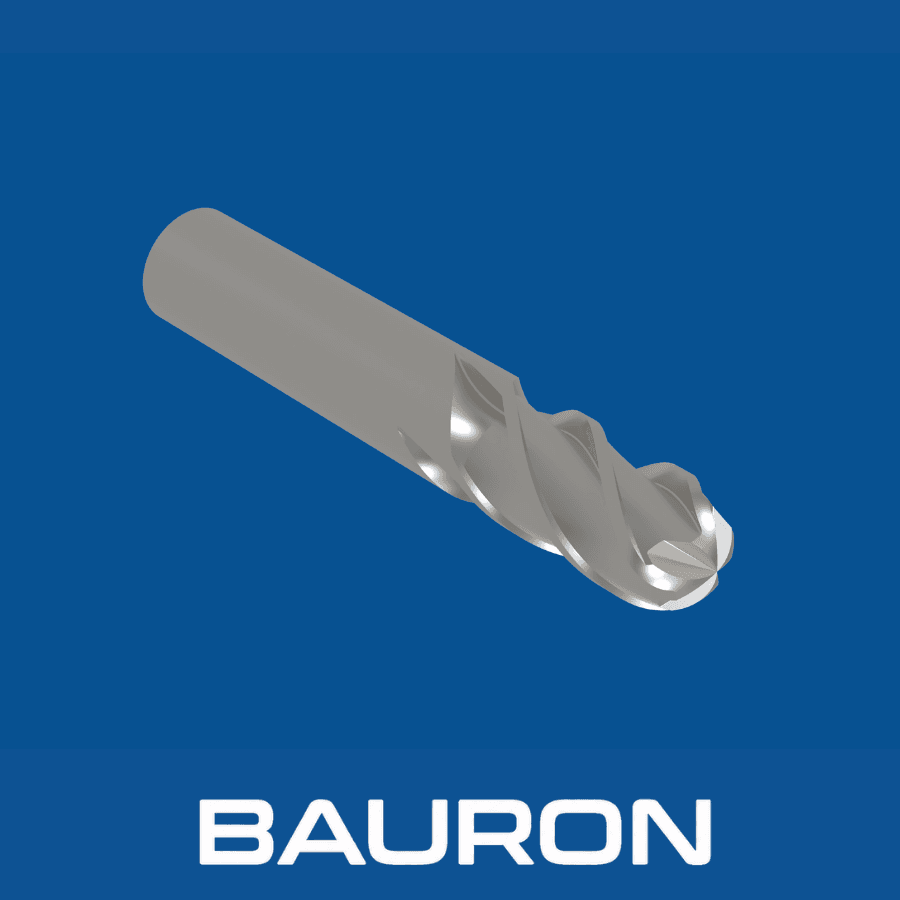
A ball nose end mill is a form-milling tool with a hemispherical cutting tip for 3D contouring, die sinking, and machining complex curved surfaces.
View Product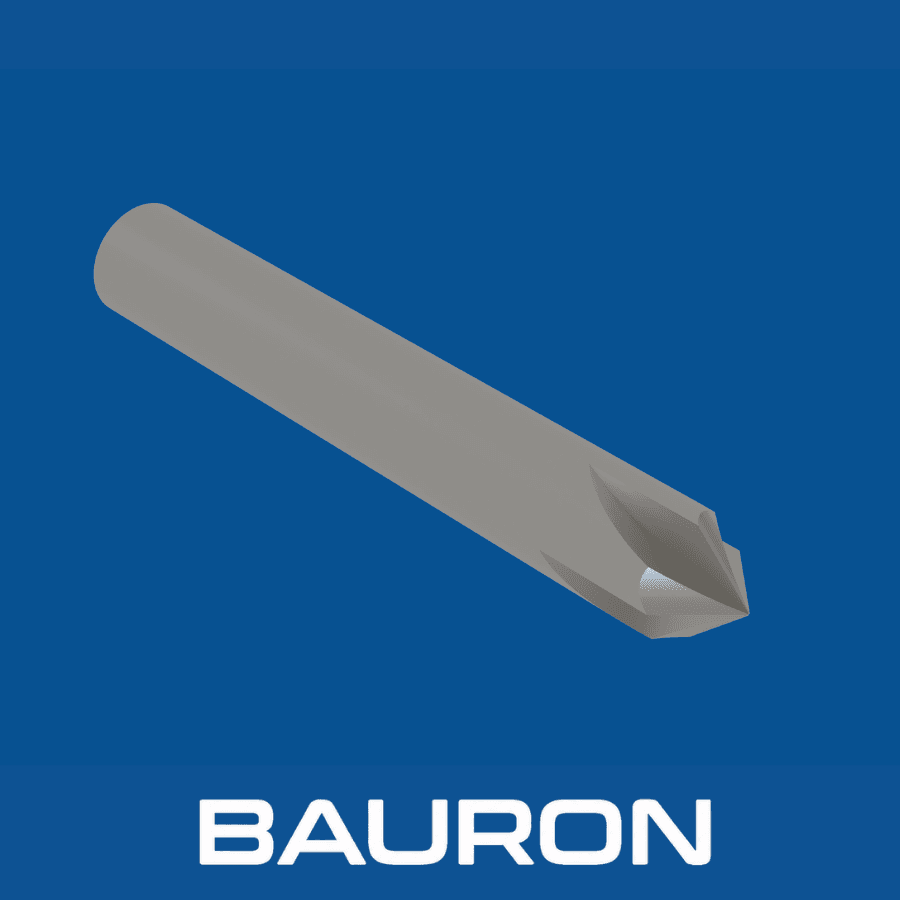
A pointed chamfer cutter is an angled cutting tool with a sharp tip for beveling hole edges, deburring corners, countersinking, and engraving fine details.
View Product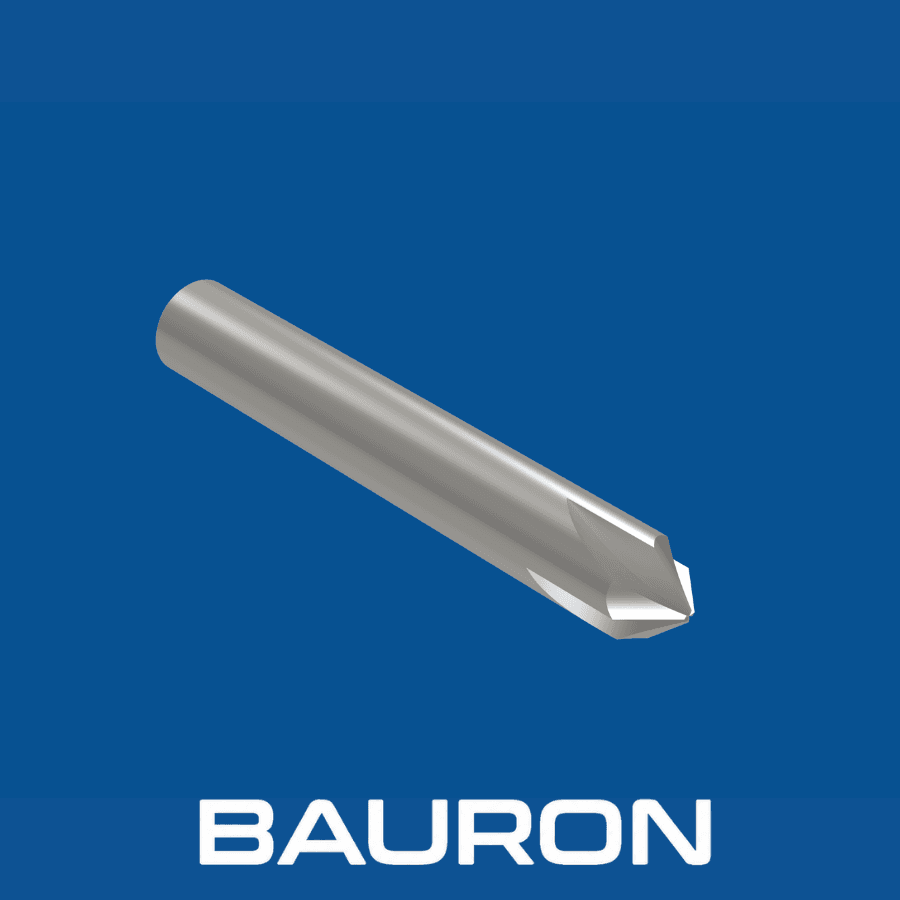
A tipped-off chamfer cutter is an angular milling tool with a truncated flat end that increases tip strength for edge beveling, deburring, and countersinking.
View Product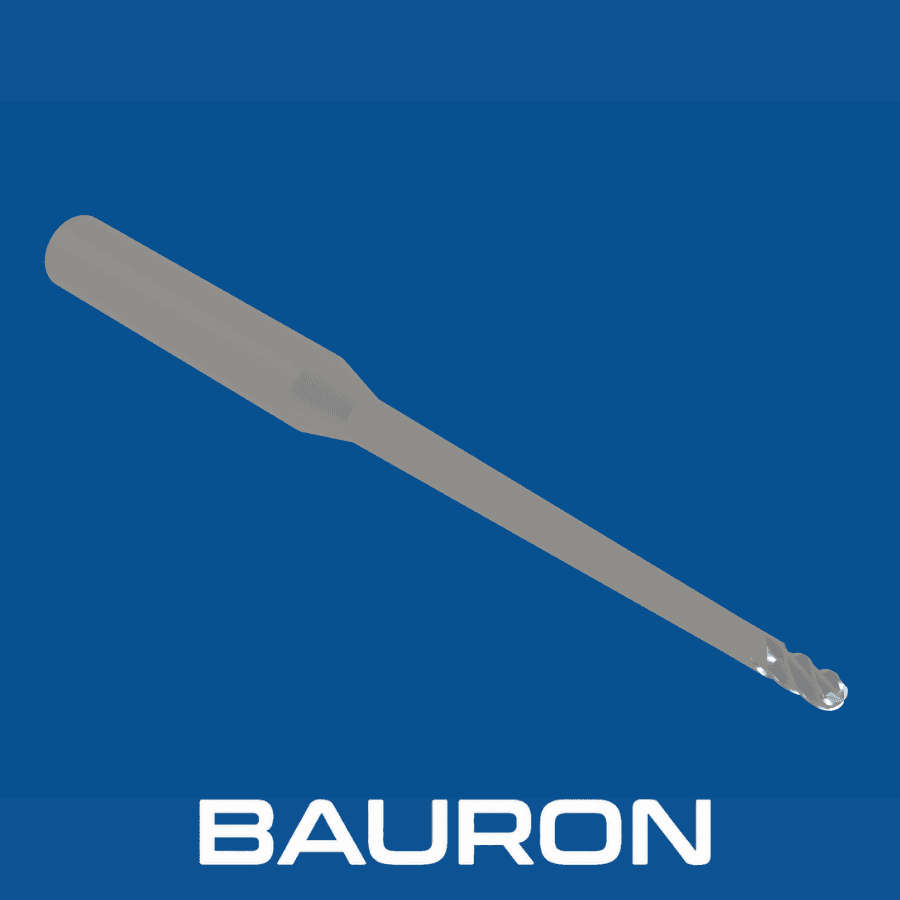
A clearance ball end mill combines a hemispherical cutting tip with a reduced neck for machining deep pockets, steep sidewalls, and mold cavities with shank clearance.
View ProductWork with Bauron's engineering team to develop a cutting tool tailored to your application, material and machining requirements.