Helix Angle
Higher helix angles of 45° to 60° deliver smooth, shearing cuts and high surface finishes on ductile metals such as aluminum. Standard 30° to 35° helix angles maximize edge strength for steel and cast iron milling.

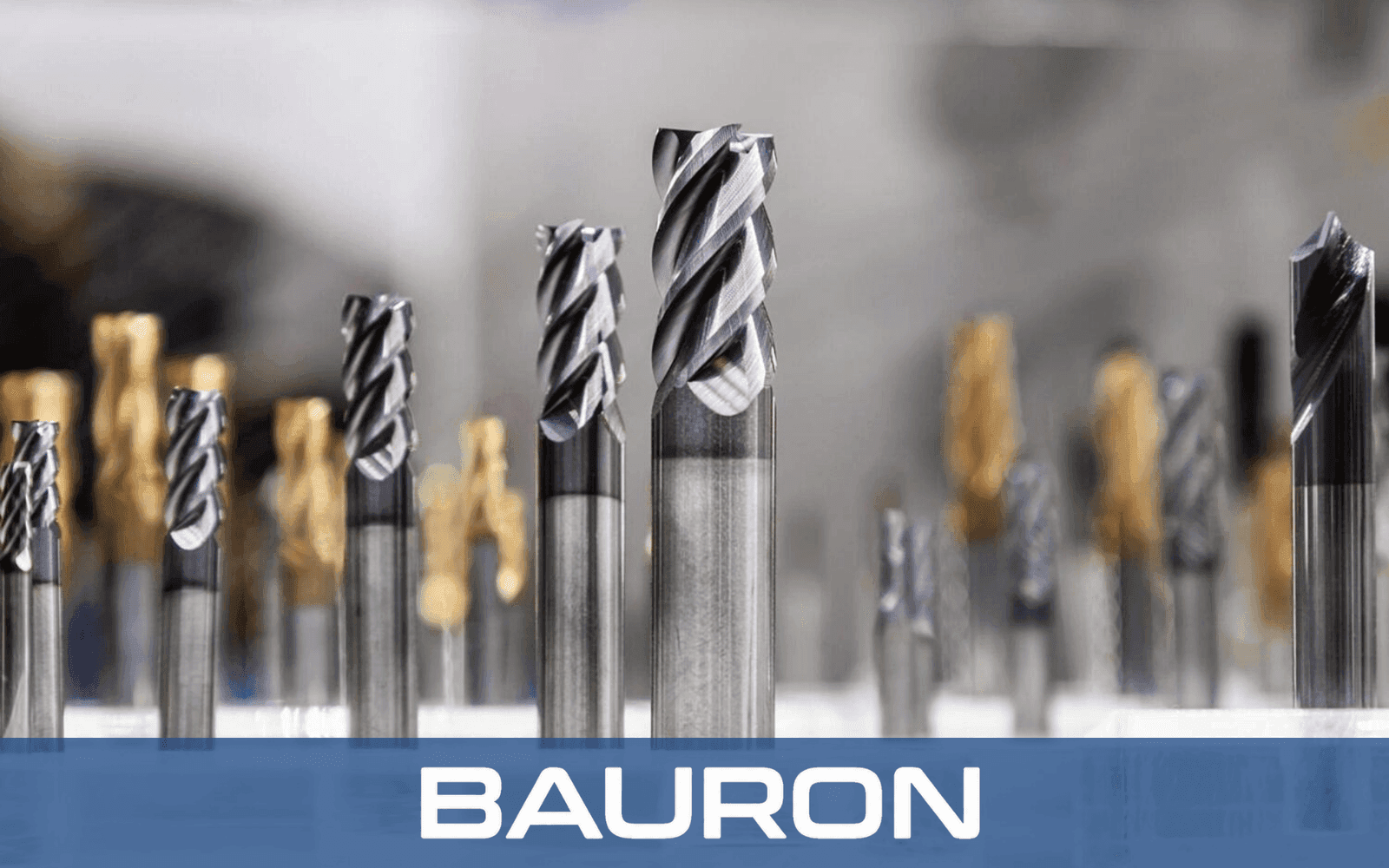
This technical guide details the core principles of end mill design, flute geometry selection, and custom tool engineering for high-performance CNC milling tools.
Optimizing end mill design is critical to stable chip evacuation, superior surface finishes, and maximum tool longevity across diverse workpiece materials. Modern CNC milling tools must balance cutting-edge strength with chip-clearing space, core rigidity, and heat management. Understanding how geometry variables interact allows engineers and machinists to select or design end mills for specific machining setups.
Higher helix angles of 45° to 60° deliver smooth, shearing cuts and high surface finishes on ductile metals such as aluminum. Standard 30° to 35° helix angles maximize edge strength for steel and cast iron milling.
Two- and three-flute tools provide large chip gullets for soft materials. Four-flute to multi-flute designs increase tool-core rigidity and feed rates when profiling hard alloys.
Positive rake angles lower cutting forces and heat generation. Primary and secondary relief lands protect the cutting lip against friction wear and deflection.
Square, radius, and ball-nose profiles serve different operations. Corner radii strengthen the vulnerable cutter tip against chipping, while ball-nose profiles enable 3D organic contouring.
Harmonic vibration and chatter degrade part surface quality and cutting edges. Modern milling-tool design uses geometric features that disrupt harmonic frequencies during high-speed cuts.
Unequal index spacing between flutes breaks repetitive cutting impacts and suppresses harmonic chatter.
Changing the helix angle along the flute length disrupts resonant-frequency feedback, allowing deeper axial depths of cut.
Tapering the internal core diameter toward the shank increases dynamic tool rigidity without sacrificing chip capacity at the tip.
Use ultra-sharp edges, high positive rake angles, and two to three mirror-polished open flutes to prevent chip packing and edge welding.
Variable-pitch four- to five-flute end mills with high radial clearance lands and heat-resistant PVD coatings withstand extreme cutting heat.
Thick core diameters, negative or neutral rake preparation, and micro-honed cutting lips absorb severe impact shock.
Specialized compression flutes or burr-style diamond knurl patterns shear abrasive fibers cleanly without layer delamination.
Bauron manufactures the full spectrum of milling geometries, grouped by application. Each category diagram below is paired with the specific mill types it contains.
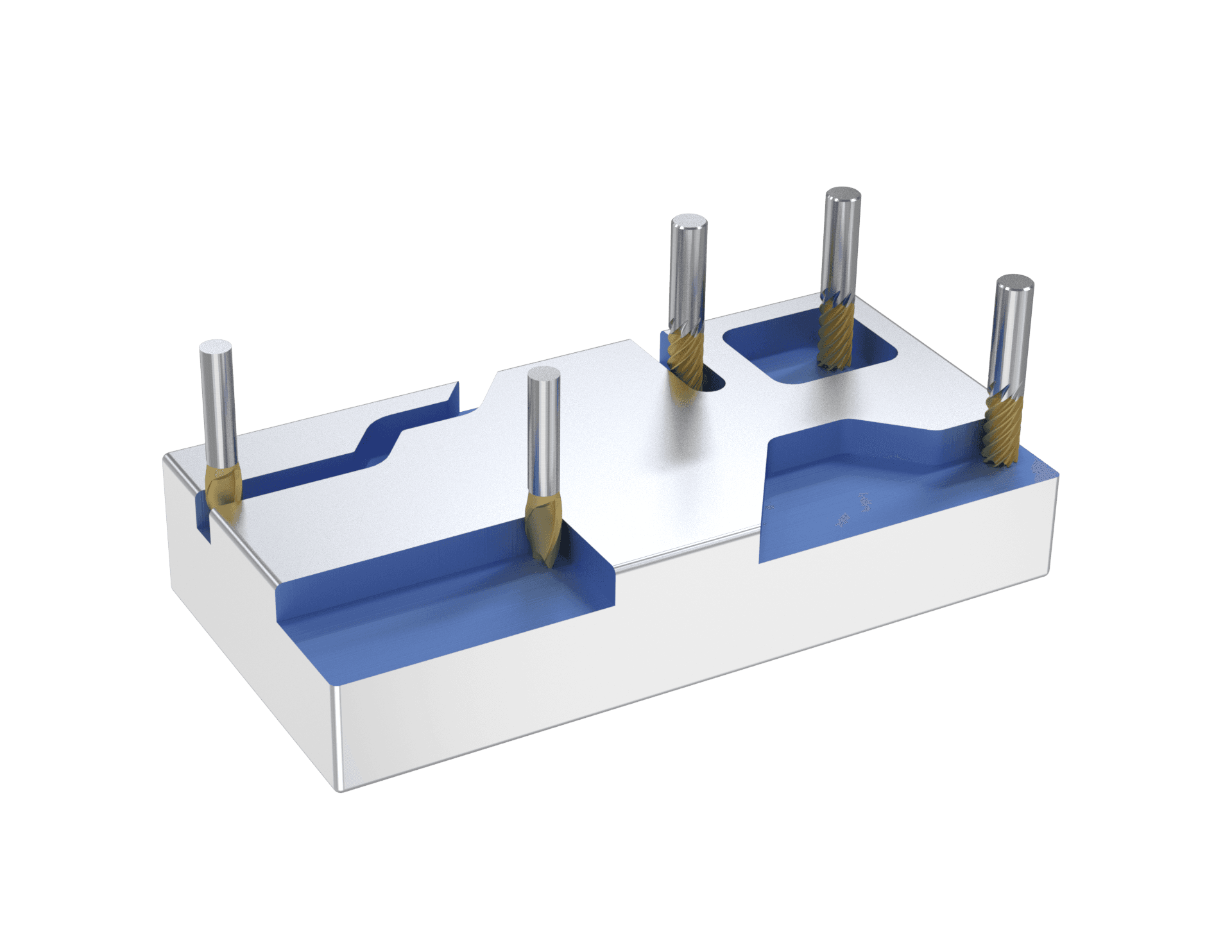
Standard cutters for everyday milling, cutting, and shaping.
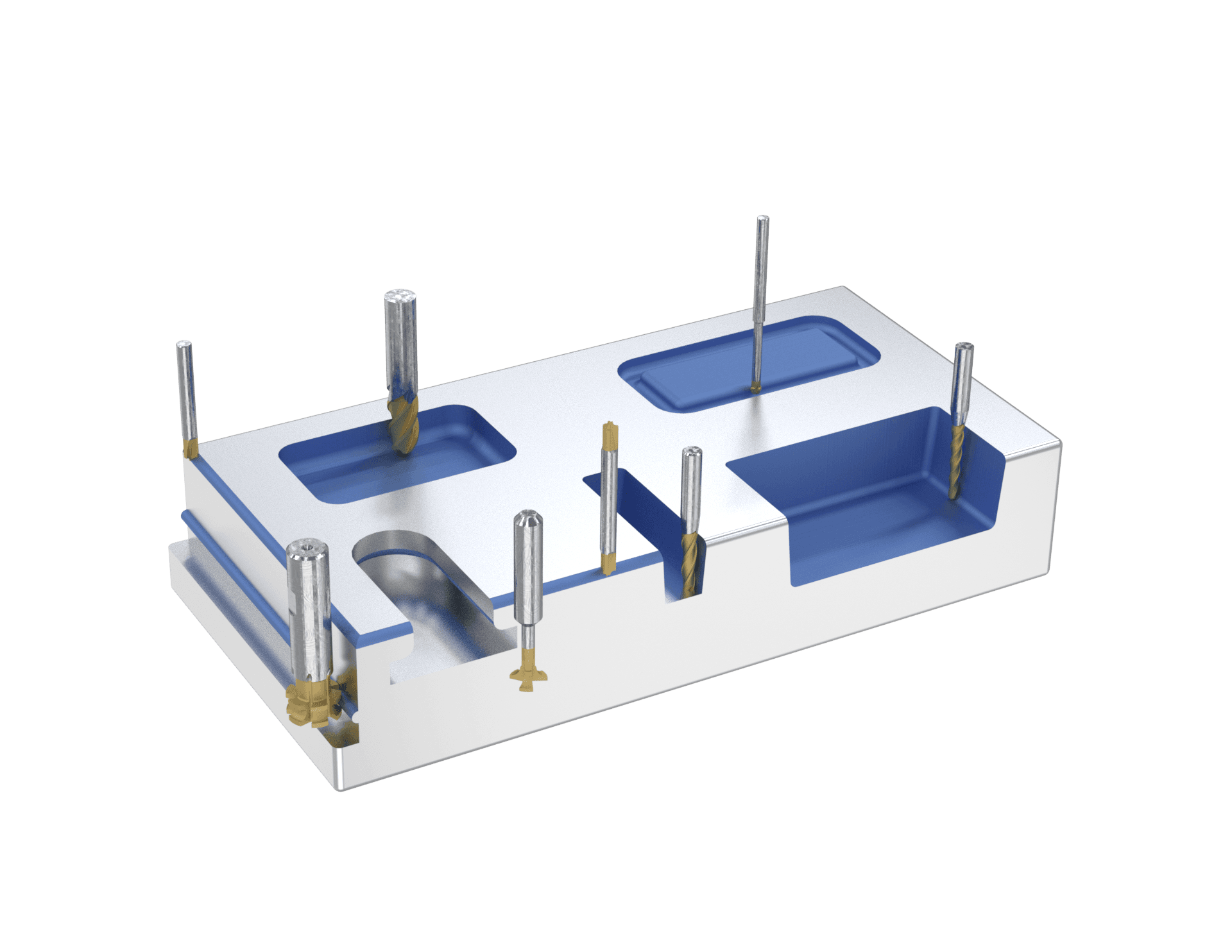
Radius and taper geometries for sculpting 3D surfaces and profiles.
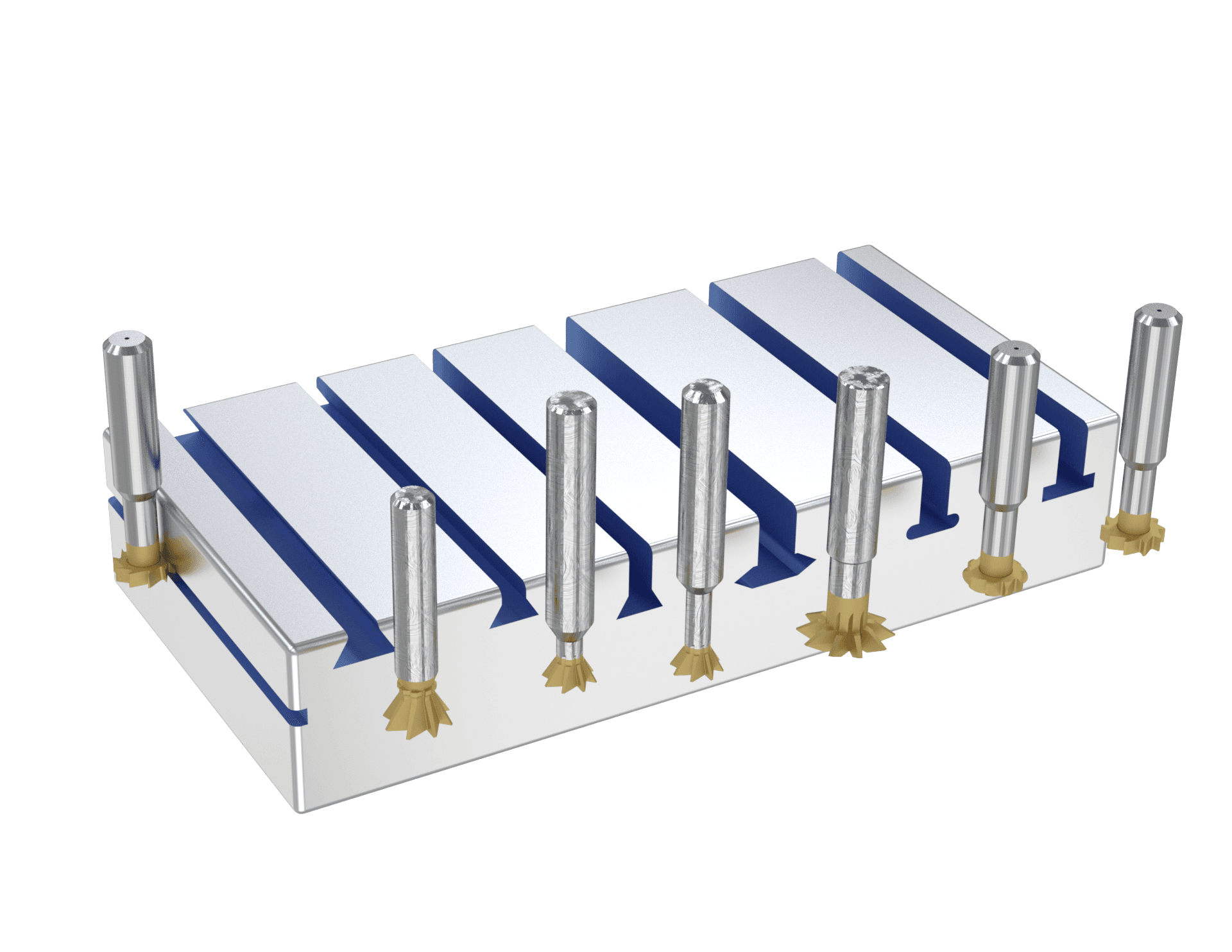
Dovetail, angle, and keyseat cutters for slots and grooves.
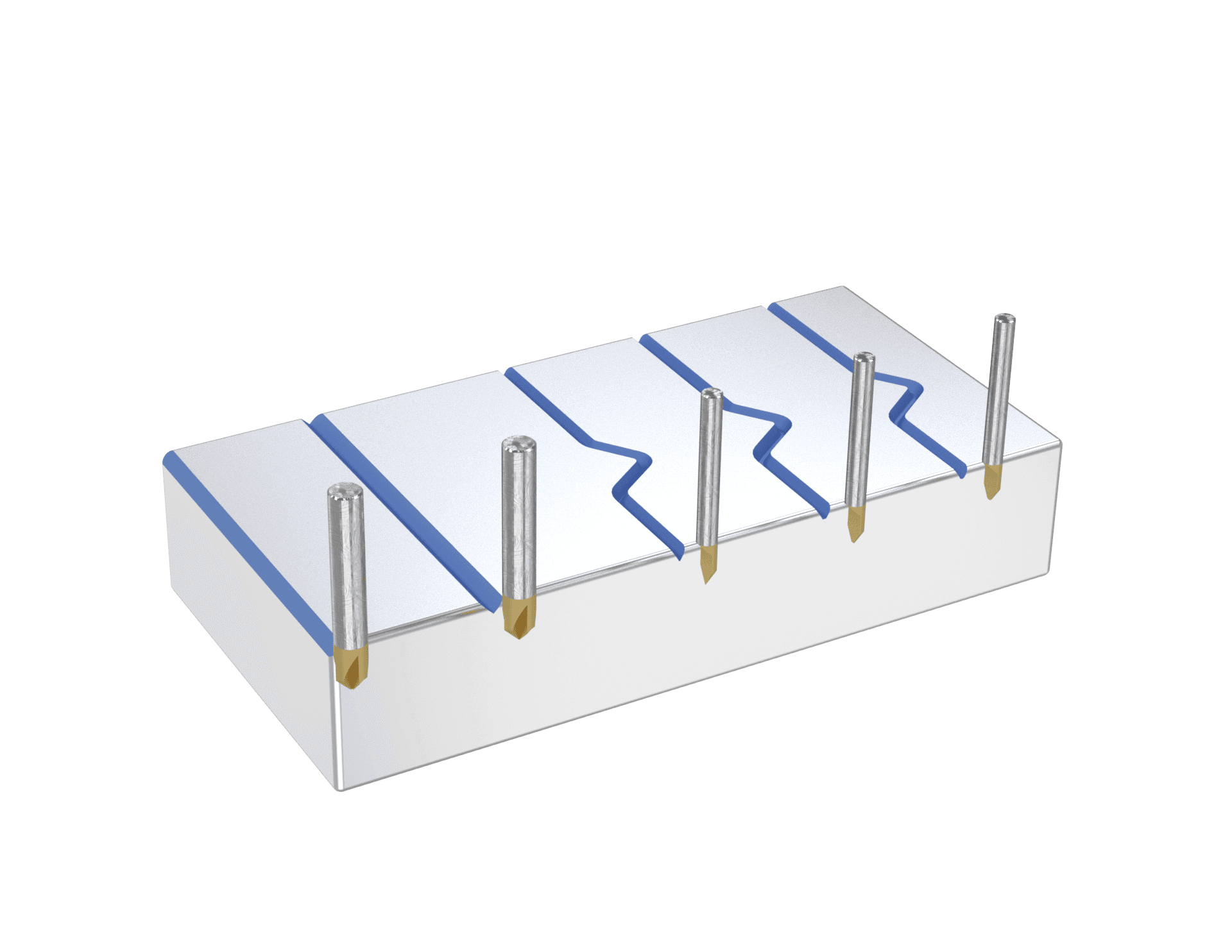
Pointed and radiused tips for beveling, engraving, and fine detail.
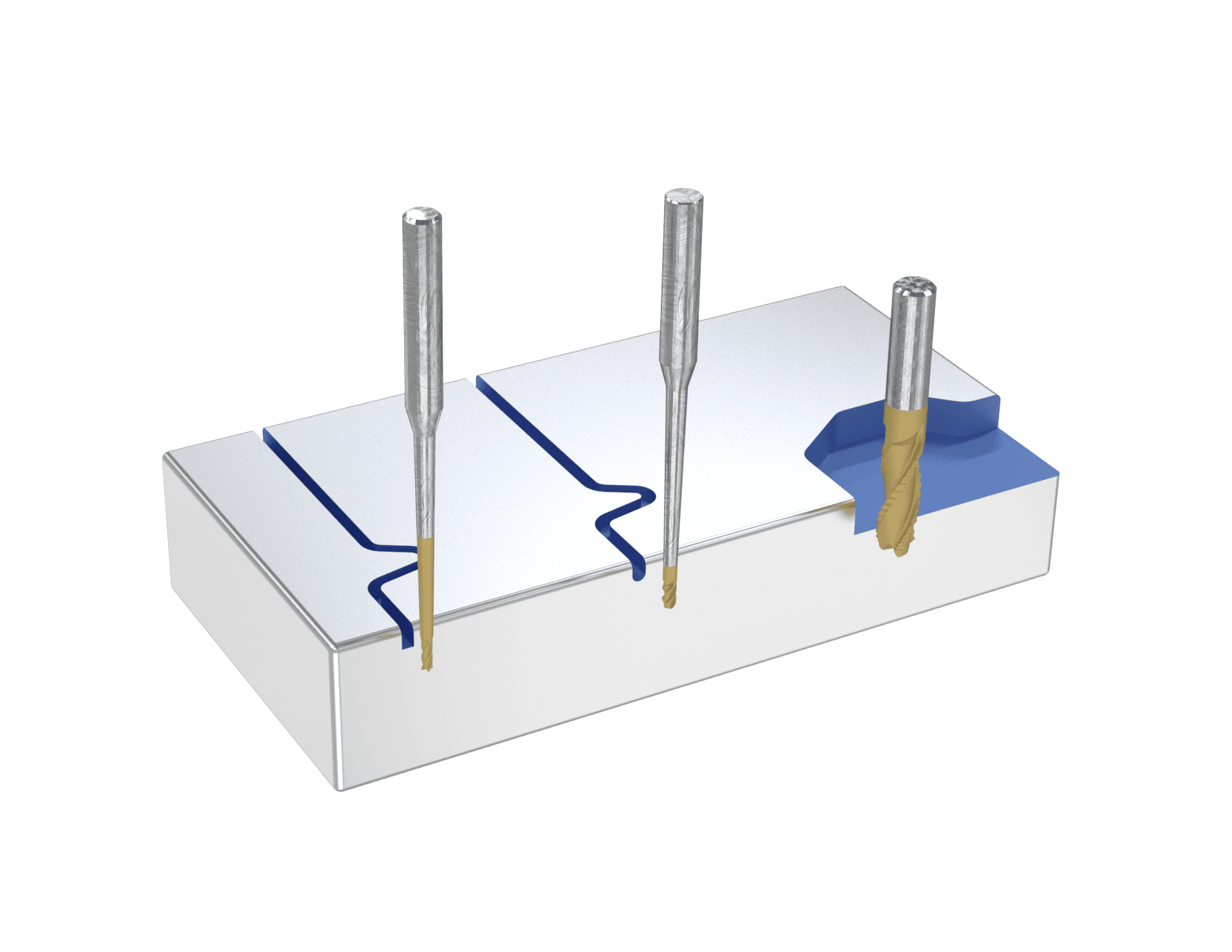
Extra-clearance and chip-control geometries for finishing passes.
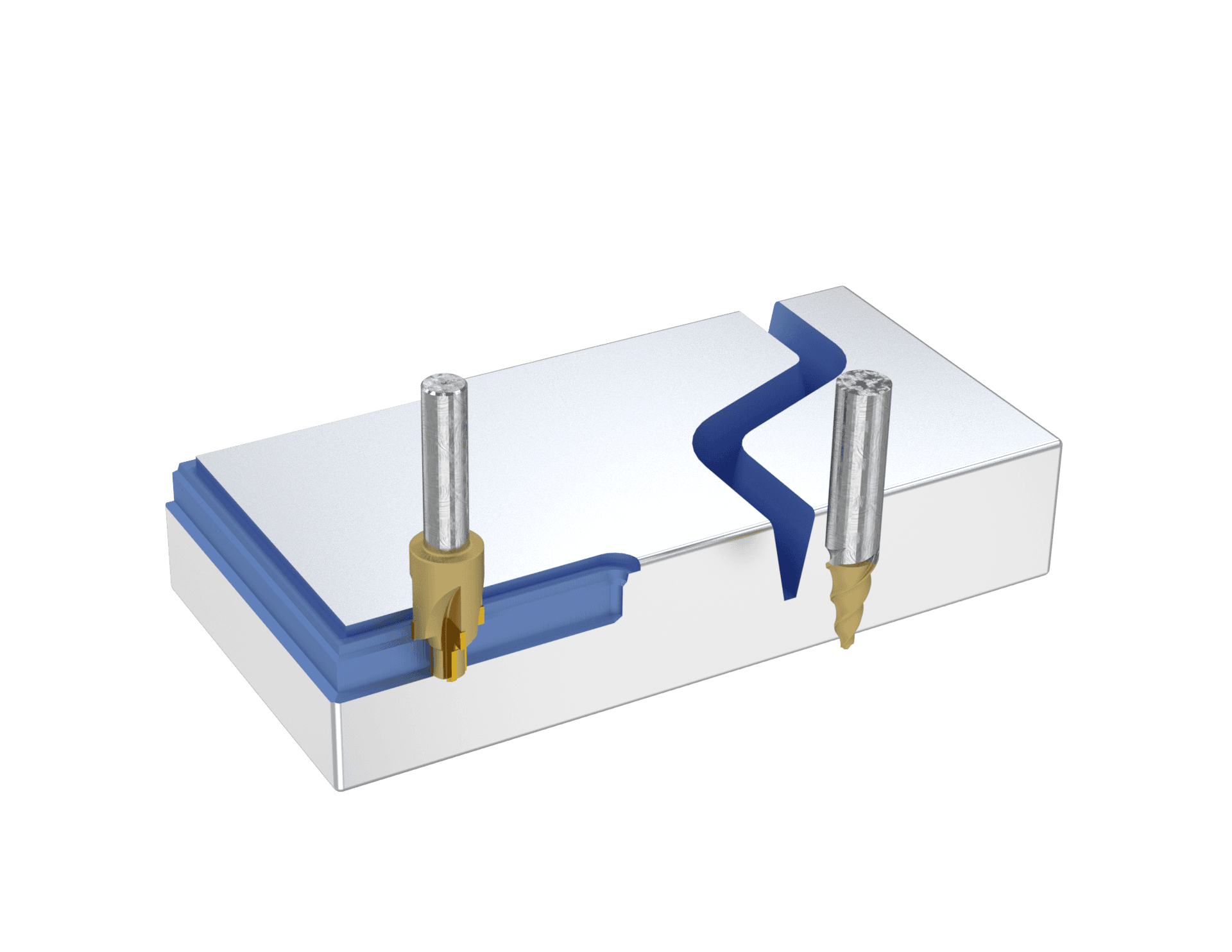
Precision tools for cavities, dies, molds, and internal passages.
Every Bauron end mill can be produced with the shank interface that best matches your machine and holder. Each shank type below is shown with how it mounts and where it performs best.
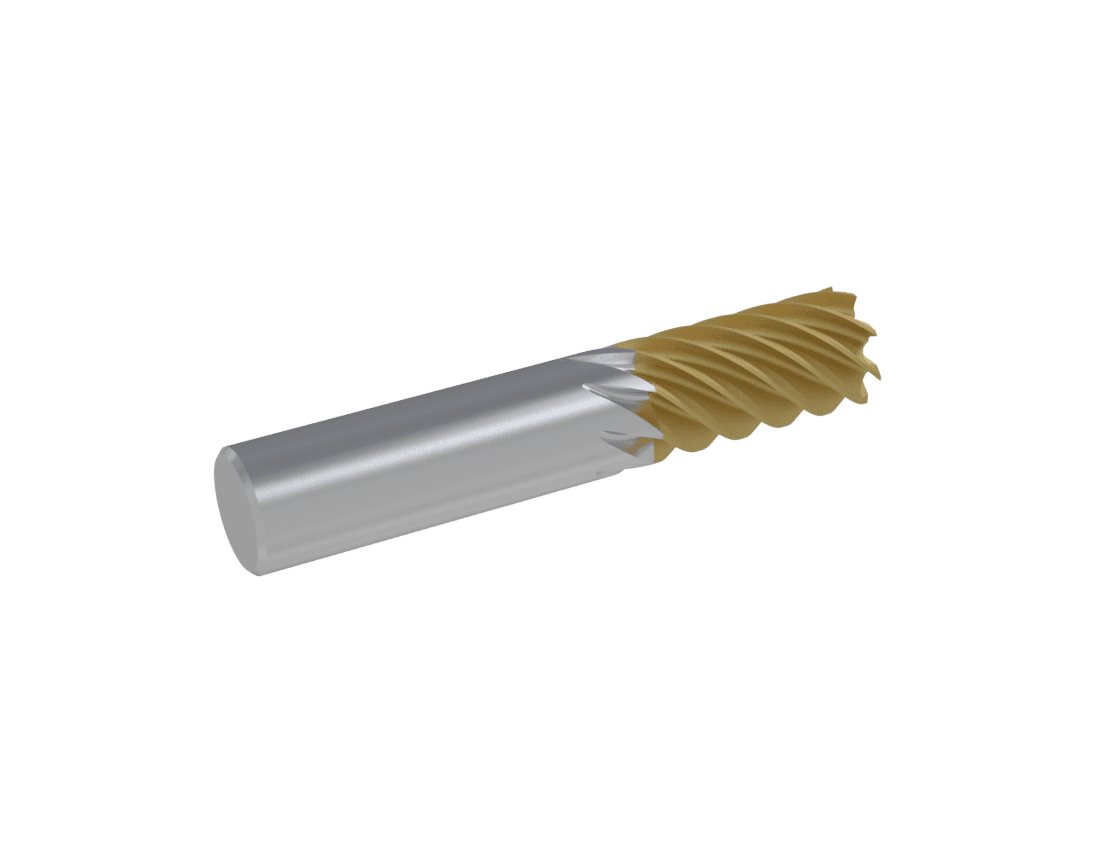
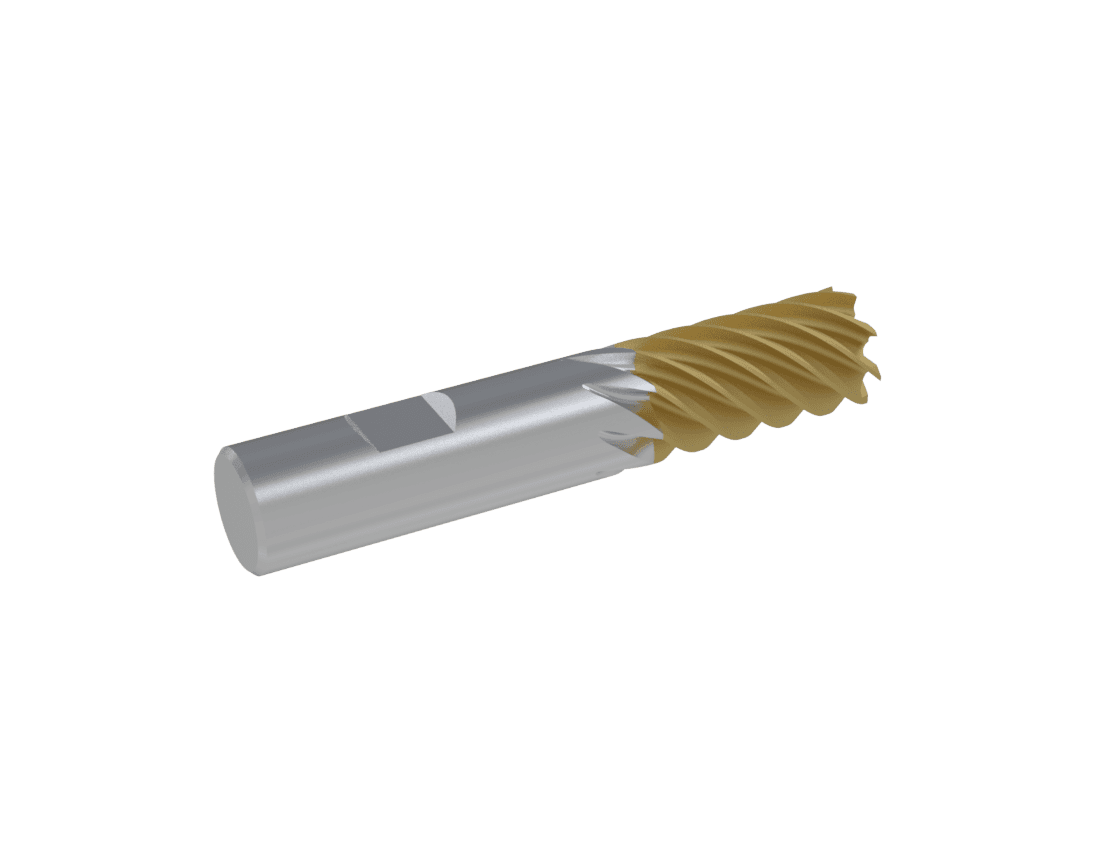
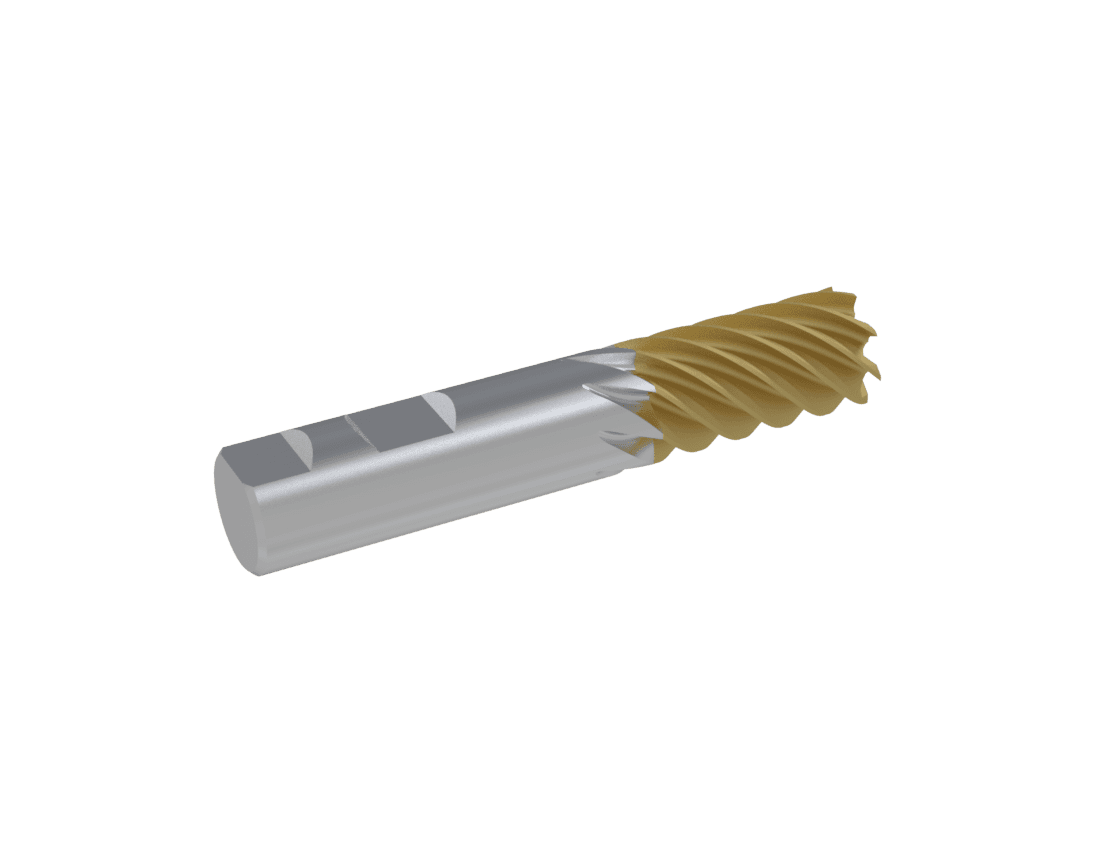
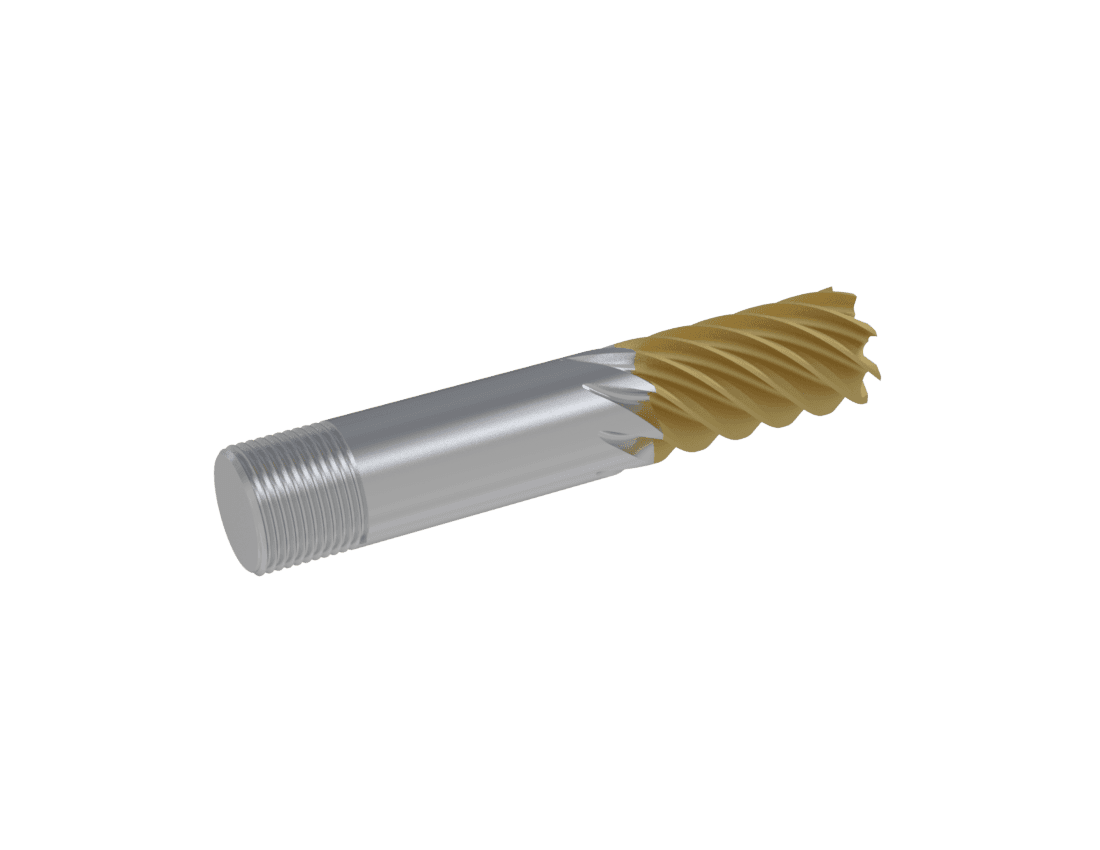
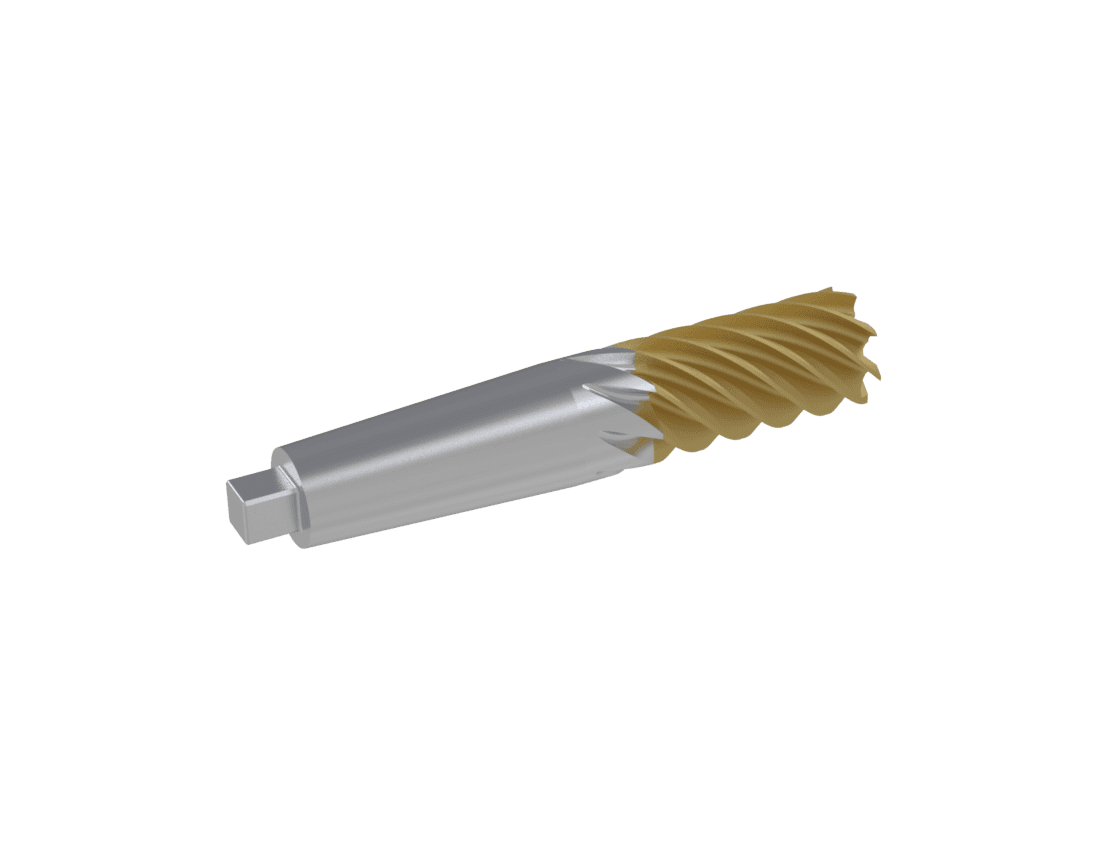
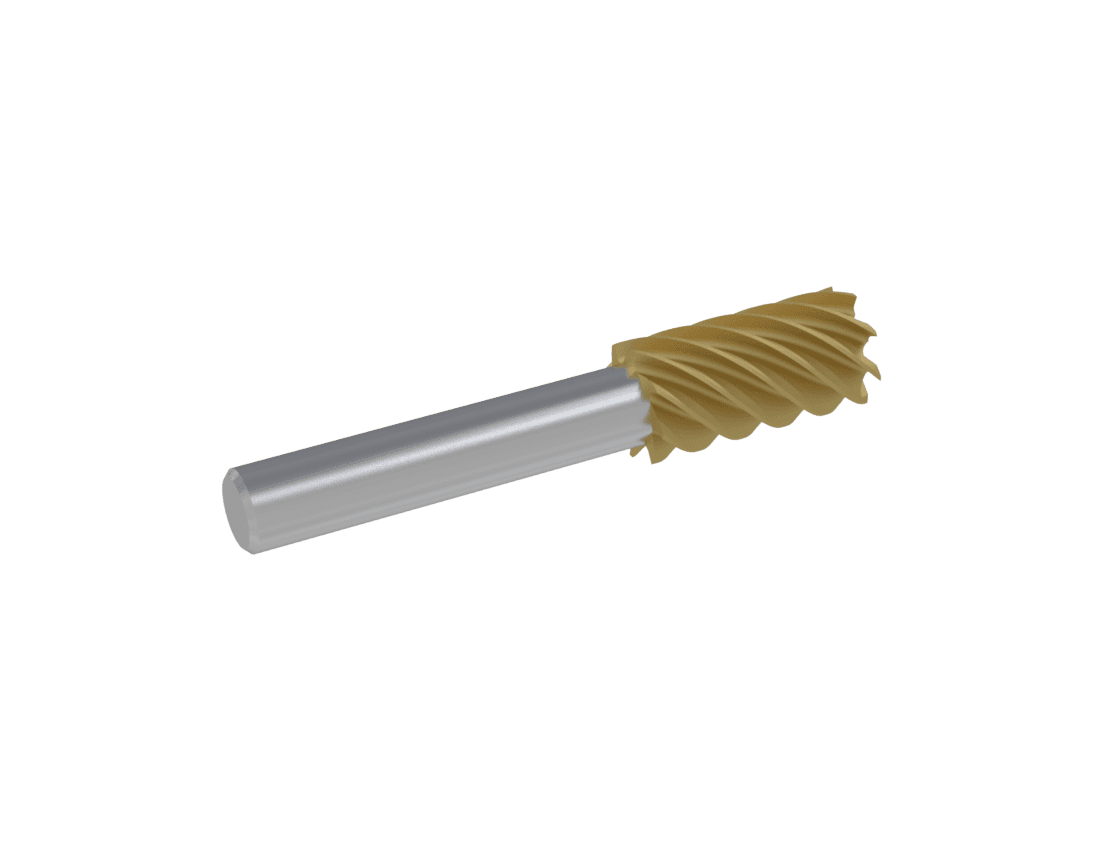
A higher helix angle creates a smoother shearing action and pulls chips upward from deep cavities, making it suitable for non-ferrous materials. Lower helix angles provide greater tooth strength and resist axial lifting forces, which benefits tough-steel profiling.
Core diameter dictates structural rigidity. A larger core increases beam strength and helps prevent deflection and chatter during heavy cuts, but reduces the flute-gullet space available for chip evacuation.
Yes. Bauron engineers bespoke flute geometries, variable-pitch flutes, custom corner radii, and specialized neck clearances directly from CAD drawings.
Advanced PVD coatings such as AlTiN, DLC, or nACo act as thermal and friction barriers. They allow tools to run at higher surface feet per minute while preserving the sharp ground geometry beneath the coating.
Need optimized end mill geometries, custom profiles, or specialized high-feed cutters for your machining line? Consult with a Bauron application engineer.
Bauron works with manufacturers to review tool geometry, substrate, coating, reach, machine conditions, and production requirements for standard and custom CNC tooling.
Submit your requirements