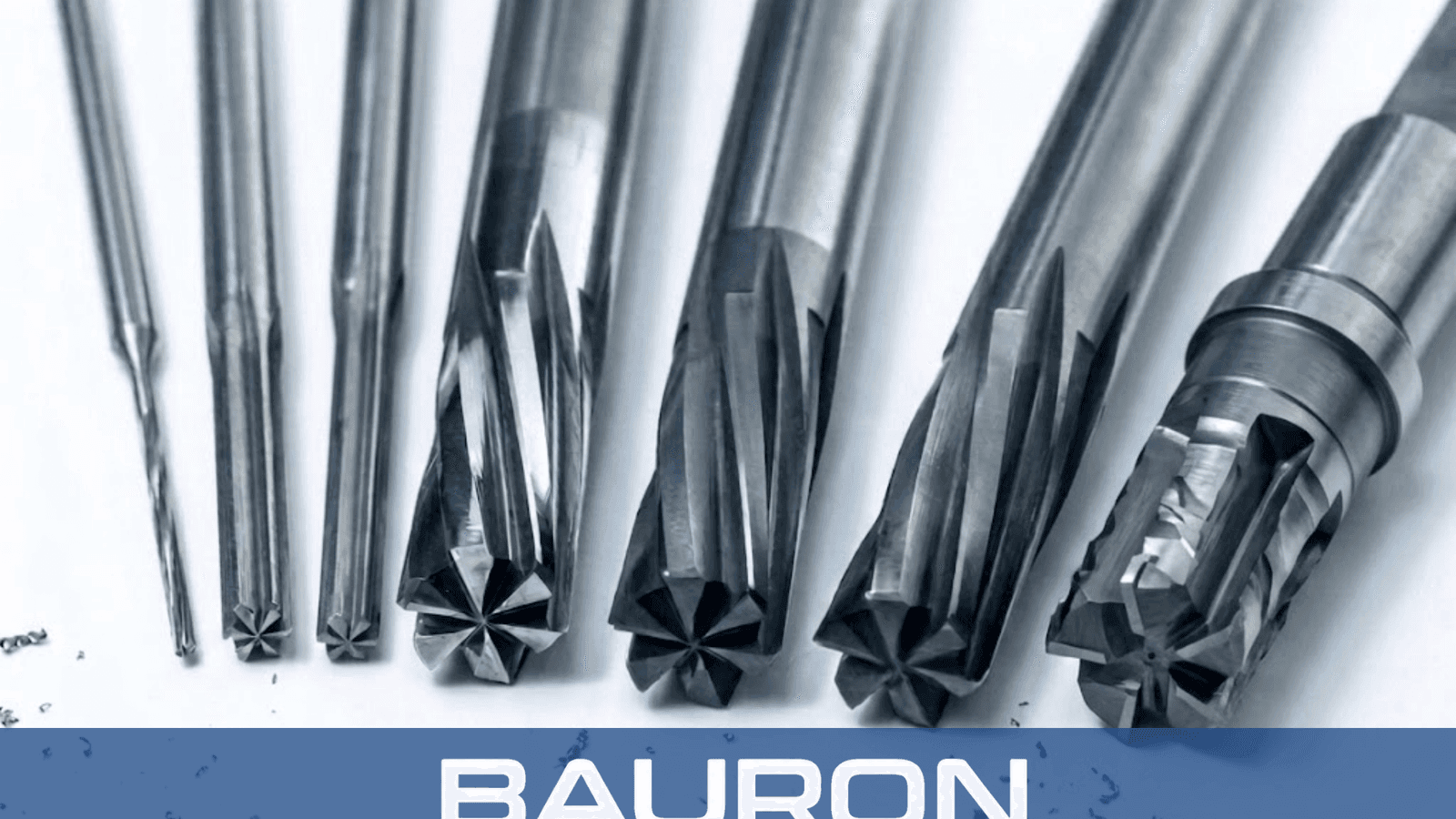
Initial Insertion
The tapered point enters misaligned or overlapping pre-drilled holes.

Car reamers are robust hole-enlarging tools developed for heavy metal fabrication. They correct misaligned or undersized holes in railcar structures, truck frames, and thick industrial plates so rivets or bolts can be installed.
The tapered point enters misaligned or overlapping pre-drilled holes.
Heavy-duty flutes remove structural metal as the reamer rotates.
Progressive cutting brings overlapping plate or frame holes onto a common bore.
A left-hand spiral on a right-hand-cut tool limits self-feeding as it advances through thick plate.
Limit self-feeding and support controlled cutting in thick plates when paired with right-hand cutting edges.
Is designed for the torque and stress involved in machining structural steel.
Provides gradual entry into substantially misaligned holes.
Limits cutting depth to reduce the risk of over-reaming an assembly.
Aggressive cutting edges enlarge structural holes quickly.
Round, hex, and Morse taper options fit different industrial drilling equipment.
| Specification | Range / Details |
|---|---|
| Diameter Range | 3/8" to 1-1/2" for standard structural sizes |
| Flute Geometry | Left-hand spiral, right-hand cut |
| Shank Type | Round with flats, hex, or Morse taper |
| Point Style | Tapered for hole entry |
| Material | High-speed steel (HSS) or cobalt steel (HSS-Co) |
| Application Type | Rough hole enlarging and structural alignment |
| Material / Coating | Best For | Key Advantage |
|---|---|---|
| HSS (High-Speed Steel) | General structural steel, truck frames, and mild plate. | Provides impact toughness for heavy-duty manual or machine use. |
| Cobalt Steel (HSS-Co) | Hardened steel, stainless steel, and abrasive alloys. | Adds heat and wear resistance for demanding applications. |
| Titanium Nitride (TiN) | Repetitive structural reaming in production. | Increases surface hardness and can reduce friction to extend tool life. |
HSS provides impact toughness for general structural work, cobalt steel adds heat and wear resistance, and TiN can reduce friction in repetitive reaming.
Support on-site reaming of truck frames and steel beams without a stationary fixture.
Reach multiple holes on large, heavy workpieces in manufacturing facilities.
Provide stationary vertical reaming for smaller structural components.
Enlarges and aligns chassis holes used to mount crossmembers and suspension brackets.
Reams misaligned holes in railcar undercarriages and related structures.
Corrects overlapping plate misalignment so structural bolts can be inserted.
Restores worn holes in excavators, cranes, and bulldozers for oversized replacement pins.
Both align structural holes, but car reamers generally have a shorter overall length and a taper suited to truck frames and railcars. Bridge reamers use a longer taper for thick, multi-plate structural work.
On a right-hand-cut tool, the left-hand spiral creates a negative axial rake that reduces the tendency to grab and self-feed too quickly.
The source recommends magnetic drills, radial arm drills, or heavy-duty industrial pneumatic tools because car reamers cut aggressively and require high torque. A standard hand drill can bind and create an injury risk.
No. They are primarily roughing and alignment tools for enlarging holes to accept structural fasteners. Chucking reamers are the specified option for precision machine finishing.
Custom designs can specify diameter, flute length, and shank style for a particular heavy-duty manufacturing process.
Bauron provides design and engineering support for custom car reamer diameters, flute lengths, shanks, geometries, and coatings. Share the frame or plate application for technical review.
Talk to Engineering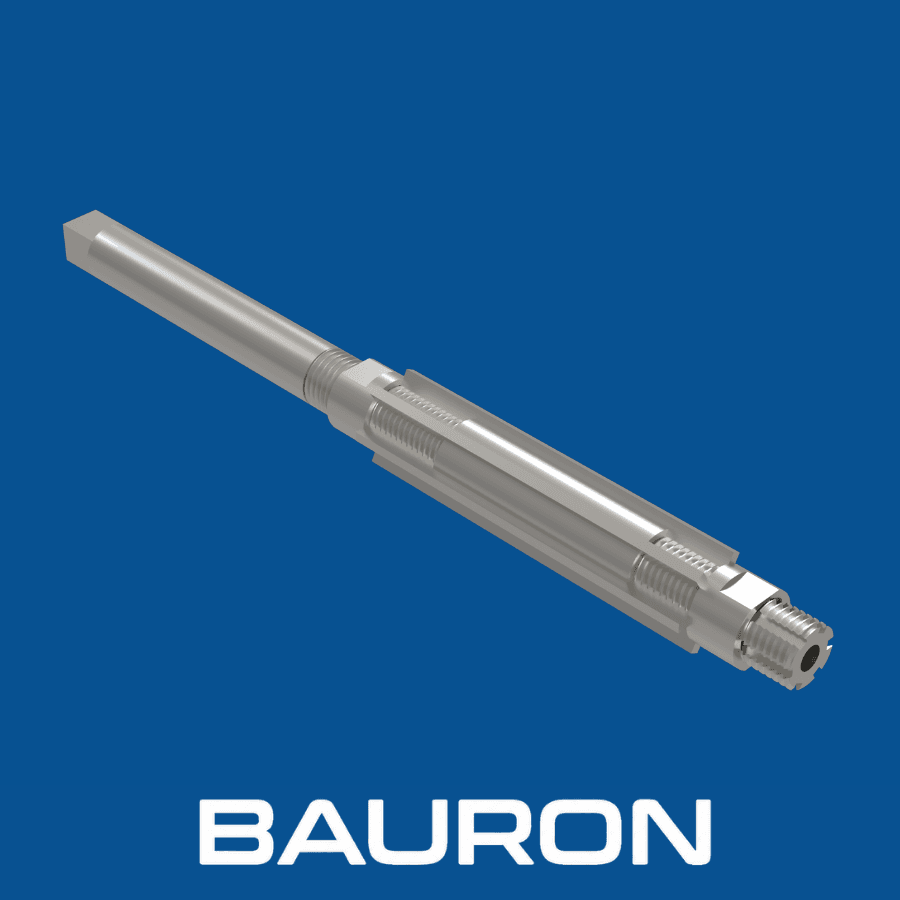
Adjustable reamers are precision cutting tools with expandable blade mechanisms for enlarging and finishing pre-drilled holes to standard or non-standard diameters.
View Product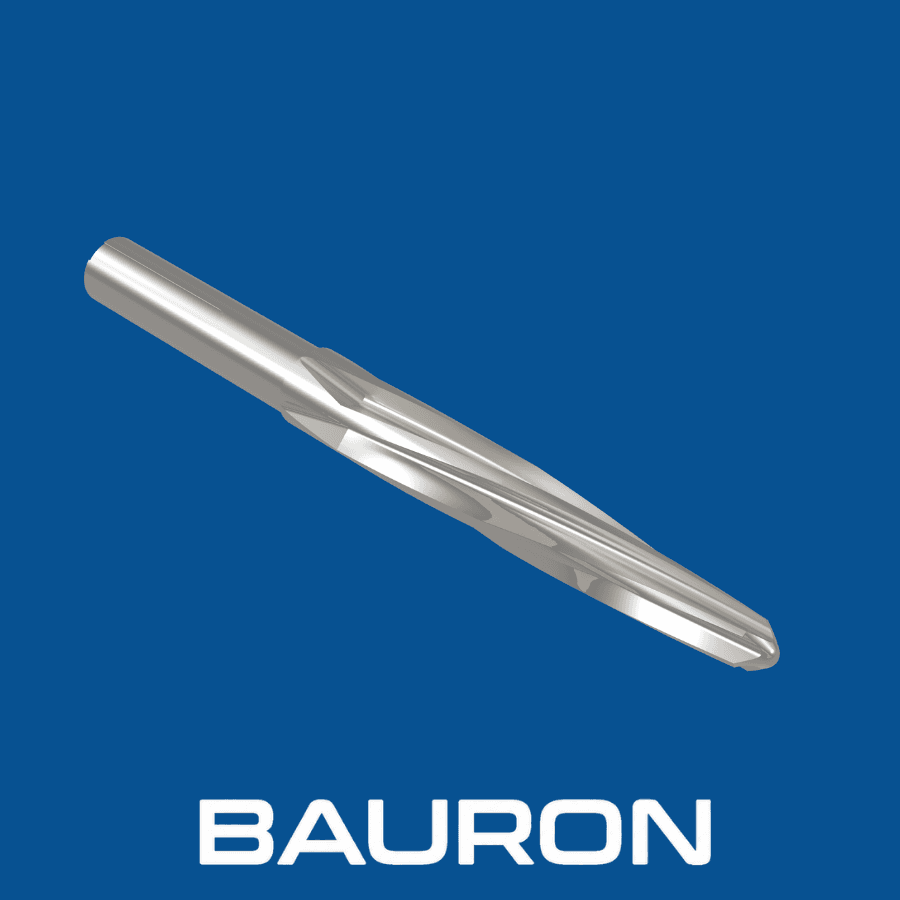
A bridge reamer is a heavy-duty tapered cutting tool used to align and enlarge mismatched holes in overlapping structural steel plates.
View Product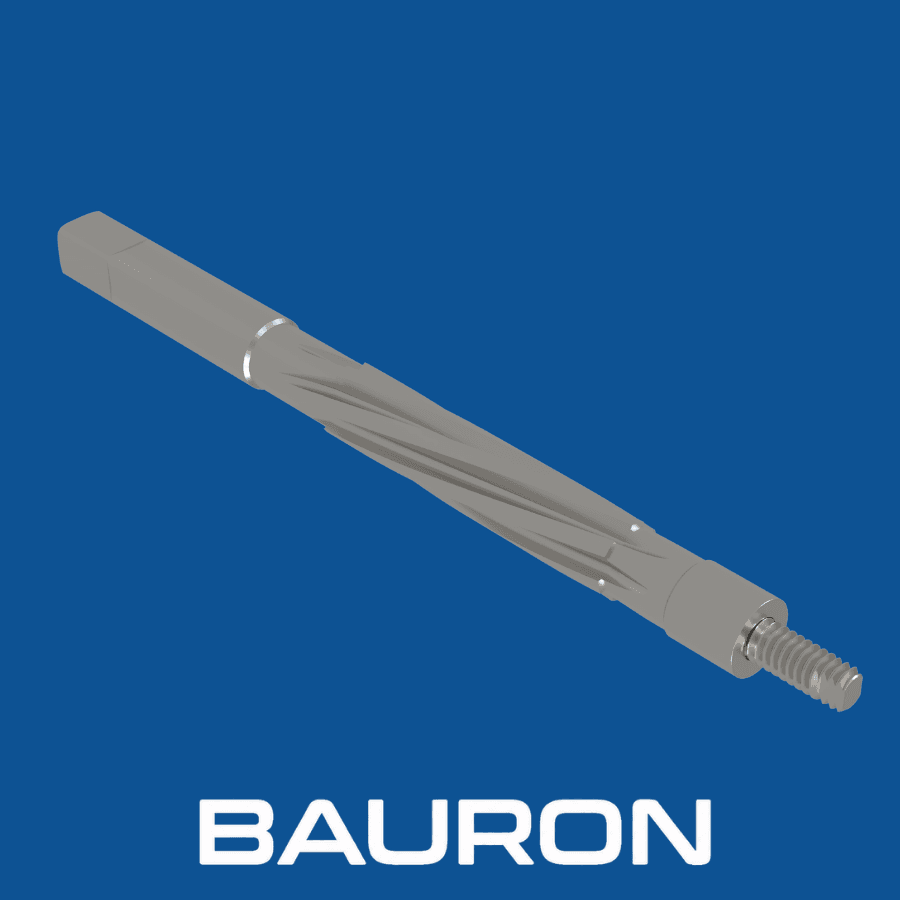
A chamber reamer is a precision cutting tool used to machine the internal cartridge profile of a firearm barrel, including the chamber body, shoulder, neck, and throat.
View Product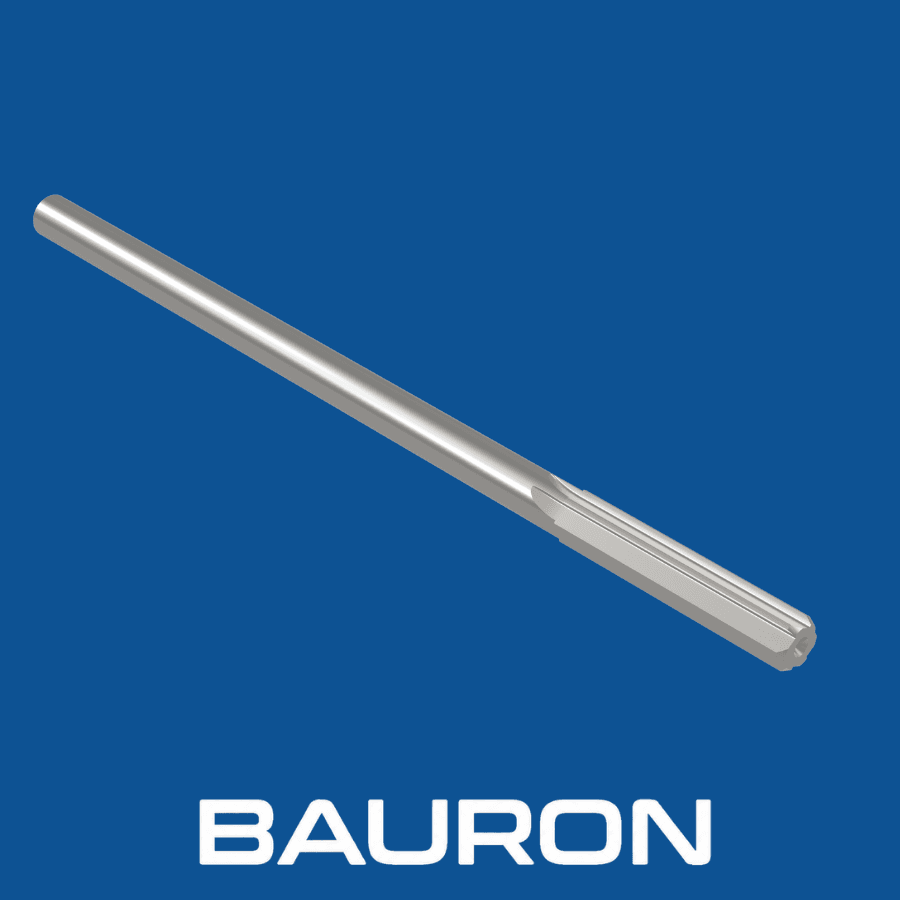
A chucking reamer is a solid-body machine tool with a straight or tapered shank for accurately sizing and finishing pre-drilled holes in production setups.
View ProductWork with Bauron's engineering team to develop a cutting tool tailored to your application, material and machining requirements.