Initial Piloting
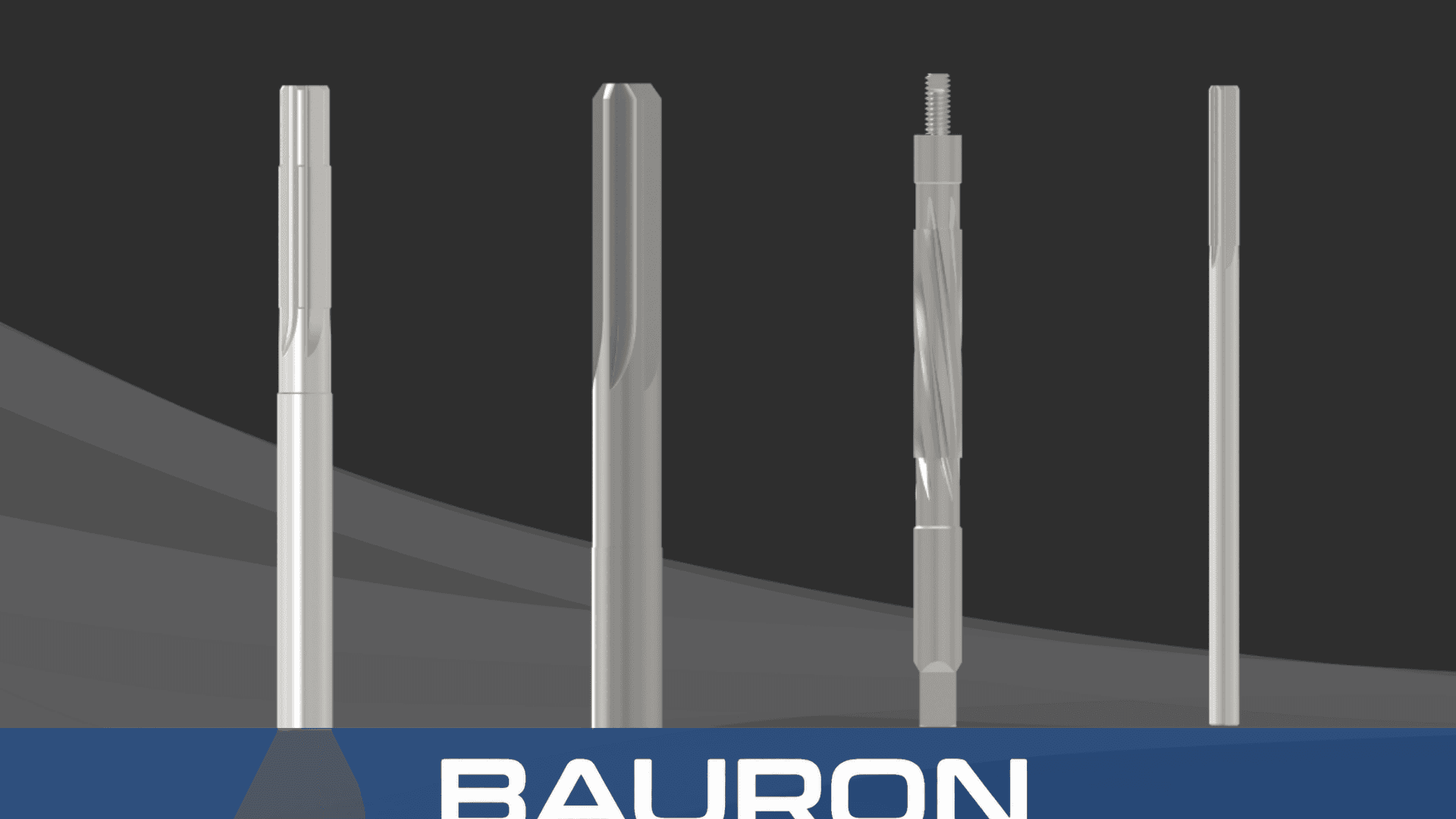
A pilot guides the chamber reamer within the bore to support concentric alignment.

Chamber reamers are finishing tools for gunsmithing and barrel manufacturing. They cut the dimensions specified for an ammunition cartridge so the completed chamber can provide the intended headspace, pressure containment, and cycling.
A pilot guides the chamber reamer within the bore to support concentric alignment.
Multiple flutes progressively form the body, shoulder, and neck of the chamber.
The final cutting edge shapes the leade that transitions from the chamber to the rifling.
Flutes evacuate chips to reduce scoring and support a smooth internal finish.
Guide the tool relative to the bore to limit off-center chamber cutting.
Can be produced to SAAMI, CIP, NATO, or custom dimensional profiles.
Provides wear resistance for repeated barrel-reaming operations.
Moves chips from the cutting zone and supports a smooth chamber finish.
Can finish the chamber and throat in one aligned operation.
Support wildcat cartridge profiles or match-grade dimensional requirements.
| Specification | Range / Details |
|---|---|
| Caliber Compatibility | .17 caliber through 12 gauge, plus custom profiles |
| Tool Types | Roughing, finishing, and throat reamers |
| Pilot Options | Solid pilot or interchangeable live pilot |
| Flute Type | Straight or spiral cut |
| Shank Type | Standard square drive or custom cylindrical shank |
| Dimensional Profile | SAAMI, CIP, NATO, or custom match requirements |
| Material / Coating | Best For | Key Advantage |
|---|---|---|
| HSS (High-Speed Steel) | General gunsmithing and custom barrel work. | Balances edge sharpness and cost for general use. |
| Premium Cobalt (HSS-Co) | Production environments and harder barrel steels. | Provides higher heat resistance and longer edge retention between sharpenings than standard HSS. |
| Solid Carbide | High-volume automated barrel manufacturing and abrasive materials. | Provides high rigidity and wear resistance in stable production setups. |
HSS supports general chamber work, cobalt steel adds heat resistance for production and harder barrel steels, and solid carbide provides rigidity and wear resistance for stable automated setups.
Use floating reamer holders in the tailstock so the tool can follow the bore.
Integrate chamber cutting into automated barrel-production cells.
Allow gunsmiths to make controlled manual finishing cuts when setting headspace.
Cuts cartridge chamber dimensions in pistol barrels, including applications using a 9 mm chamber reamer.
Machines rimfire cartridge chambers with tools such as a .22-caliber chamber reamer.
Shapes the chamber and forcing cone with tools such as a 12-gauge chamber reamer.
Re-chambers barrels for different calibers used in competitive shooting or hunting applications.
A roughing reamer is slightly undersized and removes most of the chamber material. A finishing reamer cuts the final profile and surface to the specified dimensions.
The available profiles can include standard sporting chambers and tighter match-grade dimensions intended to improve bullet alignment.
Solid pilots support production efficiency, while interchangeable live pilots can accommodate slight bore variations where tighter alignment is required.
A finishing design can incorporate the specified forcing-cone taper so the shell chamber and transition cone are machined in one aligned operation.
Custom barrel reamers can be ground to a supplied cartridge print for a wildcat or other non-standard caliber.
Bauron provides design and engineering support for custom cartridge profiles, pilots, flute geometries, tolerances, tool materials, and coatings. Supply the applicable chamber print and barrel material for technical review.
Talk to Engineering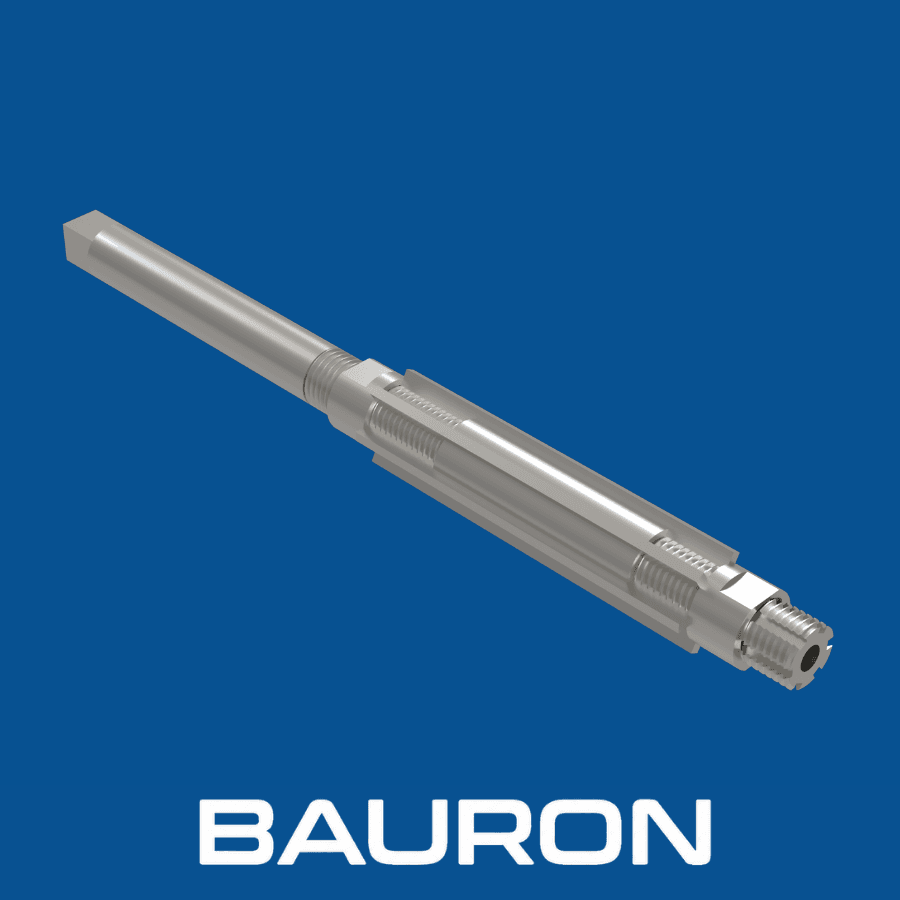
Adjustable reamers are precision cutting tools with expandable blade mechanisms for enlarging and finishing pre-drilled holes to standard or non-standard diameters.
View Product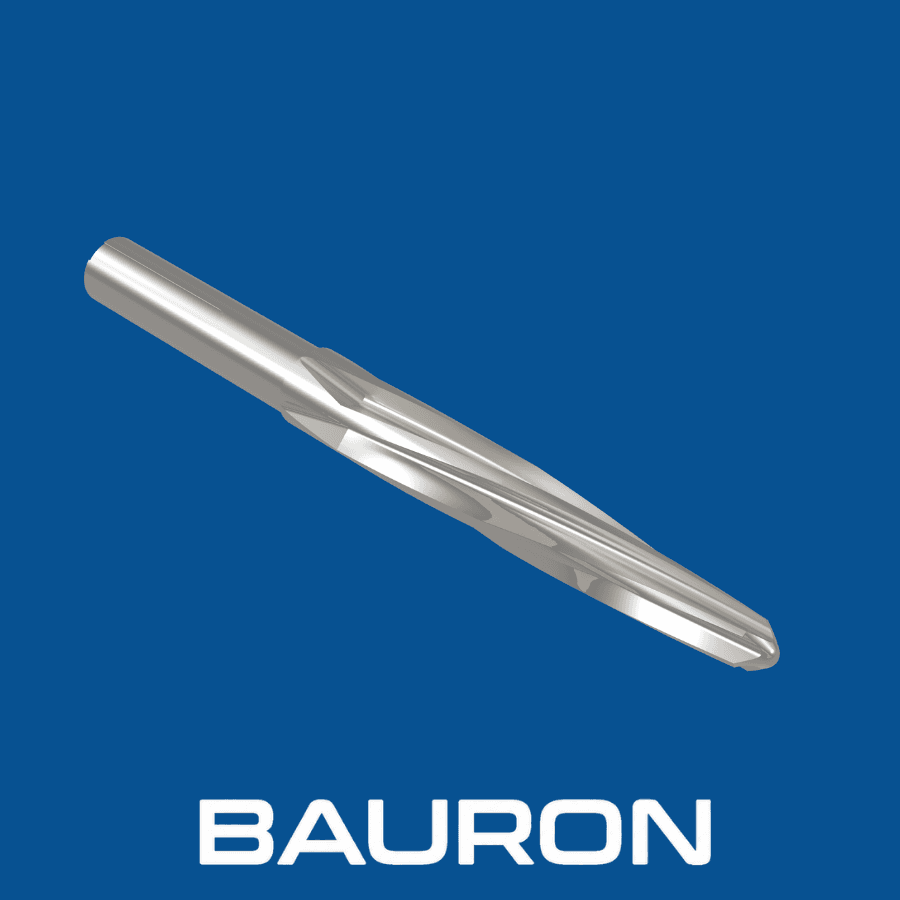
A bridge reamer is a heavy-duty tapered cutting tool used to align and enlarge mismatched holes in overlapping structural steel plates.
View Product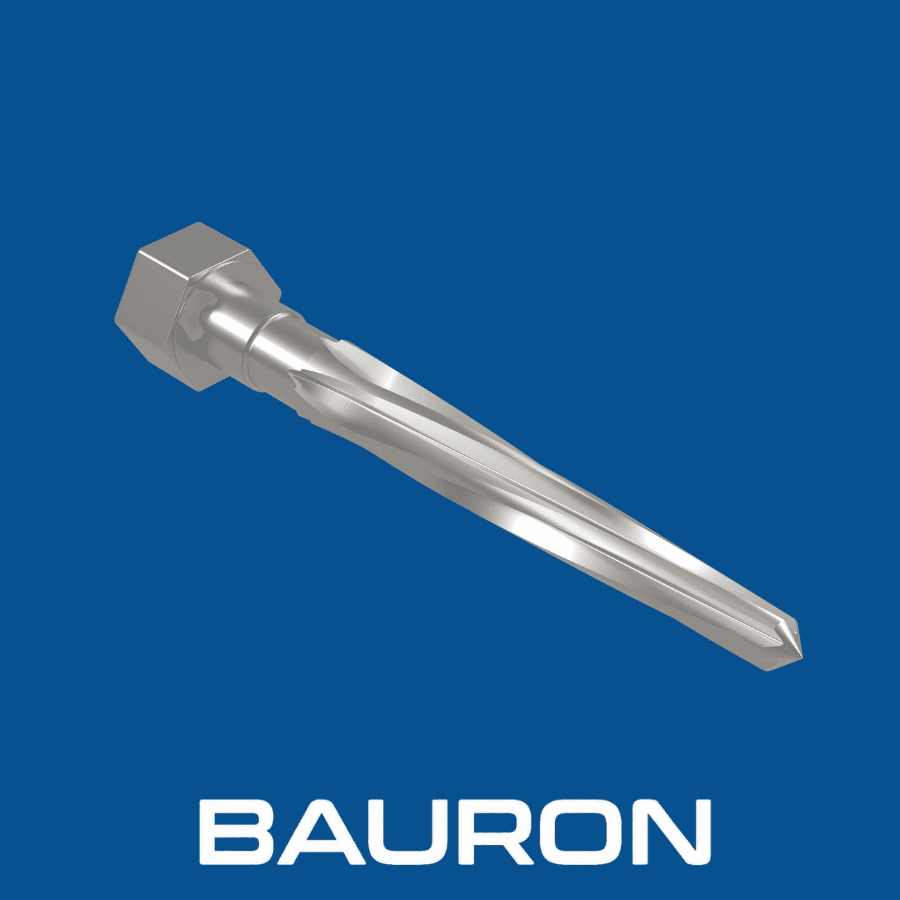
A car reamer is a heavy-duty cutting tool for enlarging and aligning undersized or mismatched holes in thick metal plates, railcars, truck frames, and structural assemblies.
View Product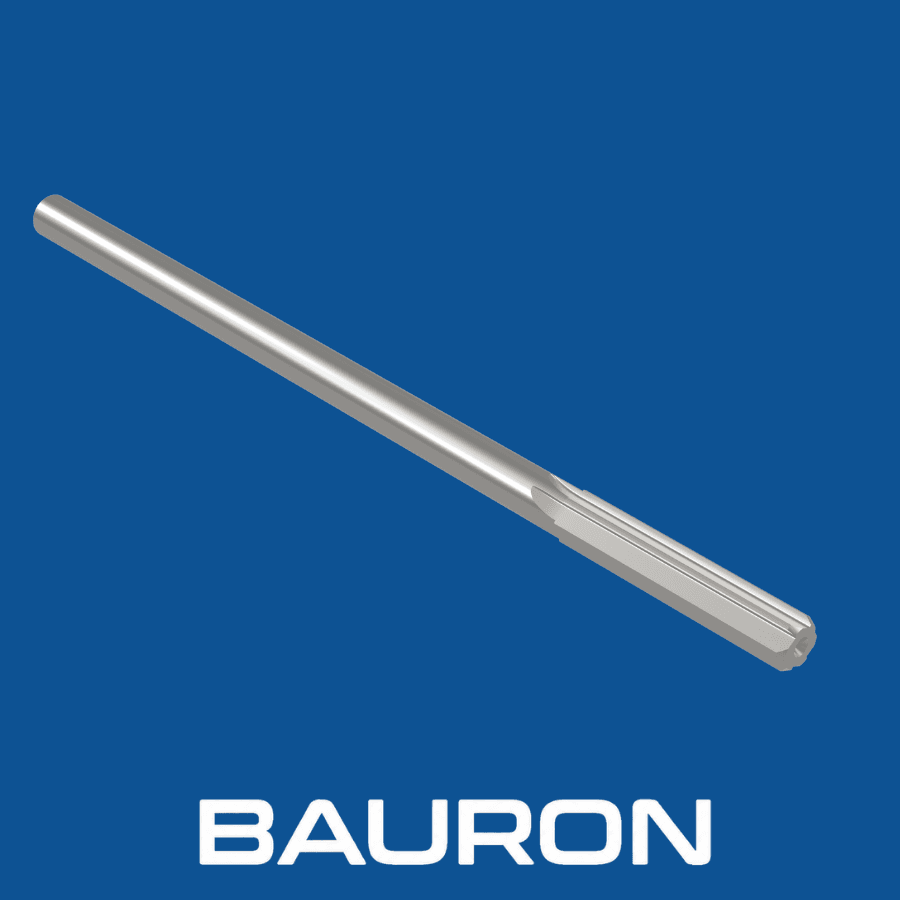
A chucking reamer is a solid-body machine tool with a straight or tapered shank for accurately sizing and finishing pre-drilled holes in production setups.
View ProductWork with Bauron's engineering team to develop a cutting tool tailored to your application, material and machining requirements.