Alignment
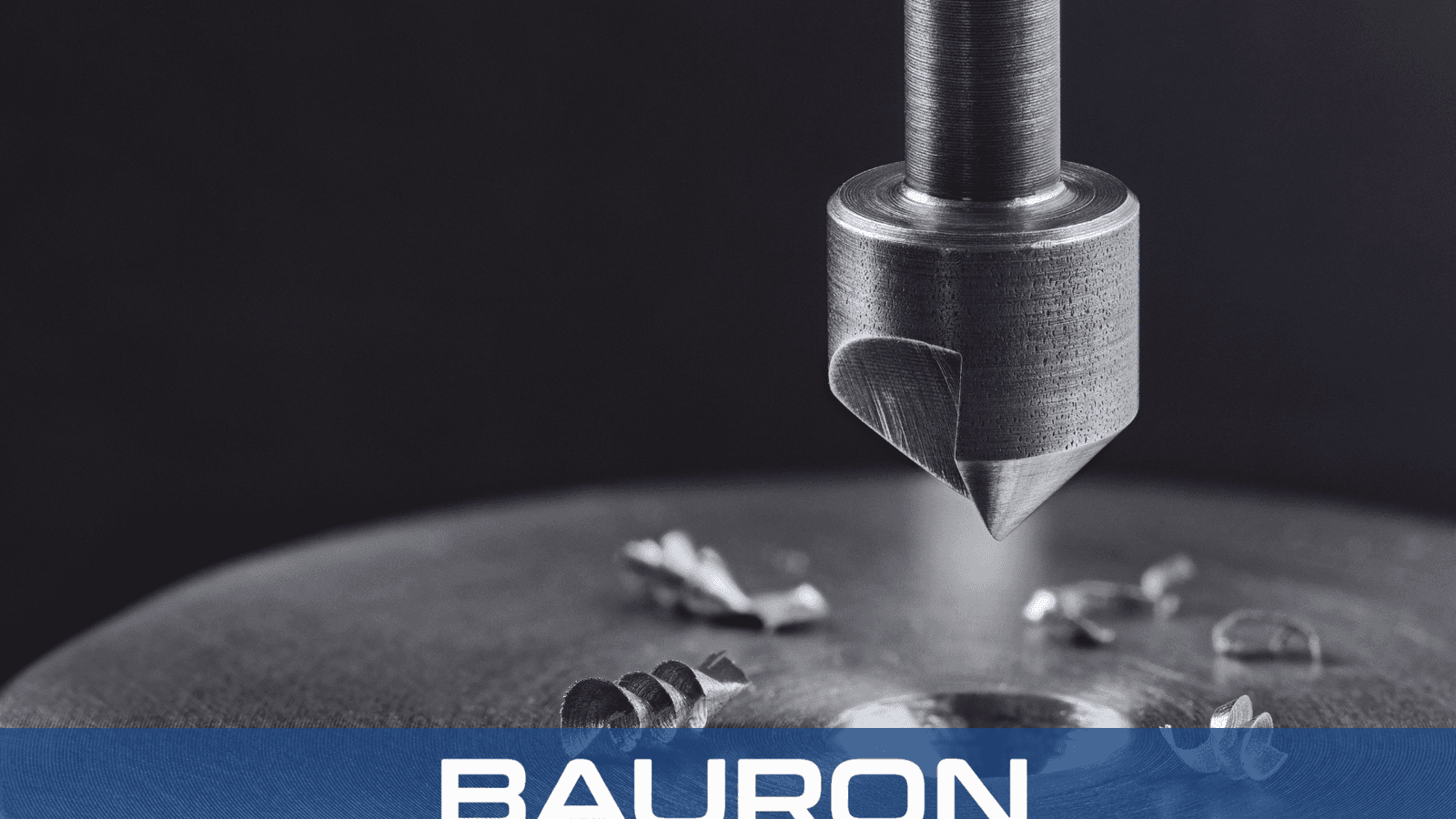
The tool enters the existing hole, centering itself perfectly.

Countersink drill bits are essential finishing tools designed to create precise conical cavities at the top of pre-drilled holes. Used primarily as a drill bit for countersinking screws, this tool allows fastener heads to sit perfectly flush with or slightly below the workpiece surface. By utilizing high-quality countersinking drill bits, manufacturers ensure a smooth, aerodynamic, and snag-free finish on assembled parts.
The tool enters the existing hole, centering itself perfectly.
Angled cutting edges shear the material to create a precise taper.
Flutes safely evacuate shavings to maintain a clean recess.
The resulting cavity perfectly matches the fastener's specific head angle.
Matches common fastener heads (82°, 90°, 100°, 120°) for perfect seating.
Available in various countersink drill sizes to accommodate any screw or rivet dimension.
Single, zero, or multi-flute options provide chatter-free finishes in diverse materials.
Ensures secure, slip-free mounting in CNC collets or handheld power drills.
Delivers smooth, circular cavities without scoring or vibrating against the material.
Integrated drill-and-countersink models save time by performing both actions simultaneously.
| Specification | Range / Details |
|---|---|
| Diameter Range | 1/8 inch to 2 inches (Standard and metric sizes available) |
| Included Angle | 60°, 82°, 90°, 100°, or 120° |
| Flute Type | 1, 3, 4, 6 flutes, or Zero-Flute (cross-hole) |
| Shank Type | Round, Hex (1/4-inch quick-change), or Weldon |
| Tolerance | Precision ground to exact OEM specifications |
| Format | Individual bits or combined drill-countersink tools |
| Material / Coating | Best For | Key Advantage |
|---|---|---|
| HSS (High-Speed Steel) | Wood, plastics, and mild steel. | Economical and tough enough for general hand-drill operations. |
| Solid Carbide | Abrasive alloys and continuous CNC production. | Unmatched wear resistance and rigidity for tight tolerances. |
| TiAlN Coating | High-temperature and dry machining. | Protects the cutting edges, significantly extending the tool's lifespan. |
HSS is suited to general work in wood, plastics, and mild steel; solid carbide provides rigidity and wear resistance in abrasive alloys; and TiAlN protects cutting edges in high-temperature or dry machining.
Utilized for automated, high-precision flat-head fastener preparation in metal parts.
Hex-shank versions are heavily used in construction and woodworking for rapid onsite countersinking.
Provides excellent vertical control and depth-stop accuracy for repeatable, chatter-free cuts.
Sinks fastener heads smoothly into timber using a specialized countersink bit for decking screws to prevent tripping hazards.
Creates perfectly flush riveting cavities to maintain the strict aerodynamic profile of aircraft skins.
Conceals screws beneath wood plugs for seamless, high-end furniture aesthetics.
Deburrs sharp hole edges left by primary drilling operations to ensure safe handling and assembly.
A countersink creates a conical (angled) recess designed for flat-head screws to sit flush with the surface. A counterbore creates a flat-bottomed cylindrical cavity designed to seat socket head cap screws or hex bolts.
While some HSS tools overlap, dedicated countersink wood bits are designed to shear wood fibers cleanly without tear-out. Tough alloys require dedicated countersink bits for metal made from cobalt or carbide to withstand high heat and abrasion.
The angle depends on the fastener. The standard angle for unified flat-head screws in the US is 82 degrees. Metric flat-head screws typically require a 90-degree angle, while aerospace rivets often require a 100-degree countersink drill bit for metal.
A zero-flute, or cross-hole, countersink has a cone-shaped head with a hole drilled through it rather than traditional flutes. This design provides a smooth, chatter-free cut for deburring and light countersinking in aluminum and plastics.
Yes. A standalone countersink bit is a secondary finishing tool, so the primary hole for the screw threads must be drilled first. Alternatively, a combination bit can drill the pilot and countersink in one step.
Bauron provides design and engineering support for application-specific tooling requirements. Share the geometry, material, coating needs, and machining challenge for technical review.
Talk to Engineering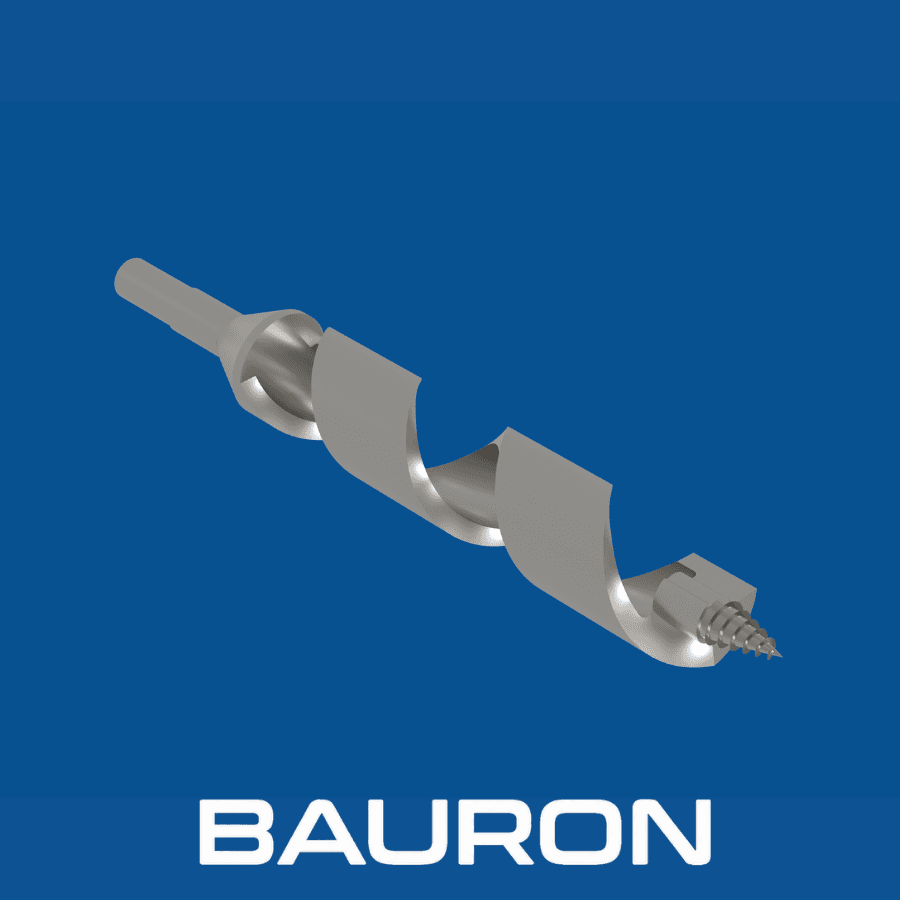
Auger drill bits are specialized, deep-hole cutting tools featuring a screw tip and wide flighting for efficient wood boring.
View Product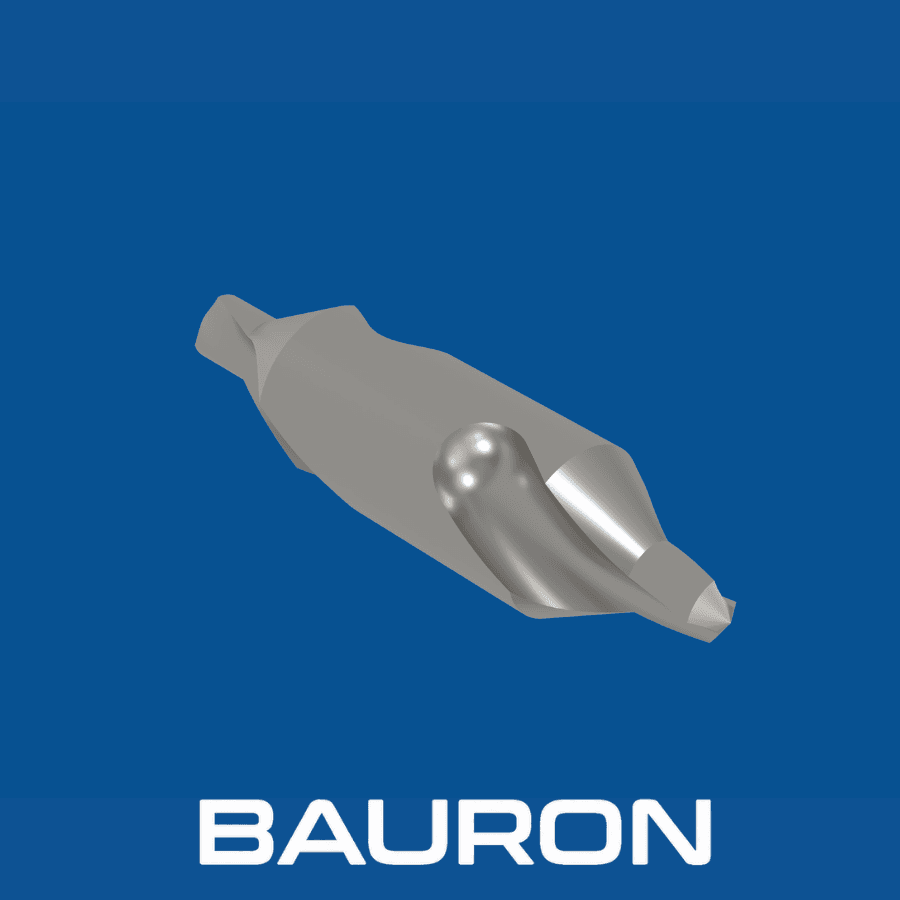
Center drill bits are short, extremely rigid cutting tools used to create precise conical pilot holes for lathe centers or secondary drilling.
View Product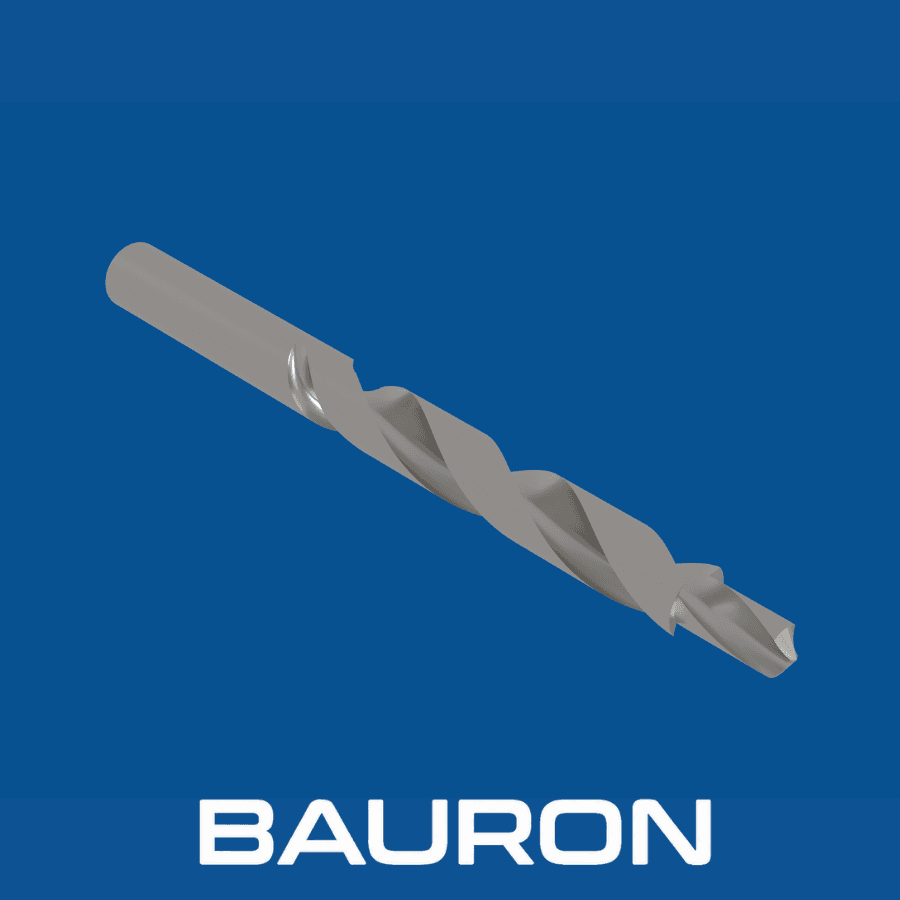
A counterbore drill is a precision cutting tool used to enlarge the top of a pre-drilled hole, creating a flat-bottomed cavity to seat fasteners flush.
View Product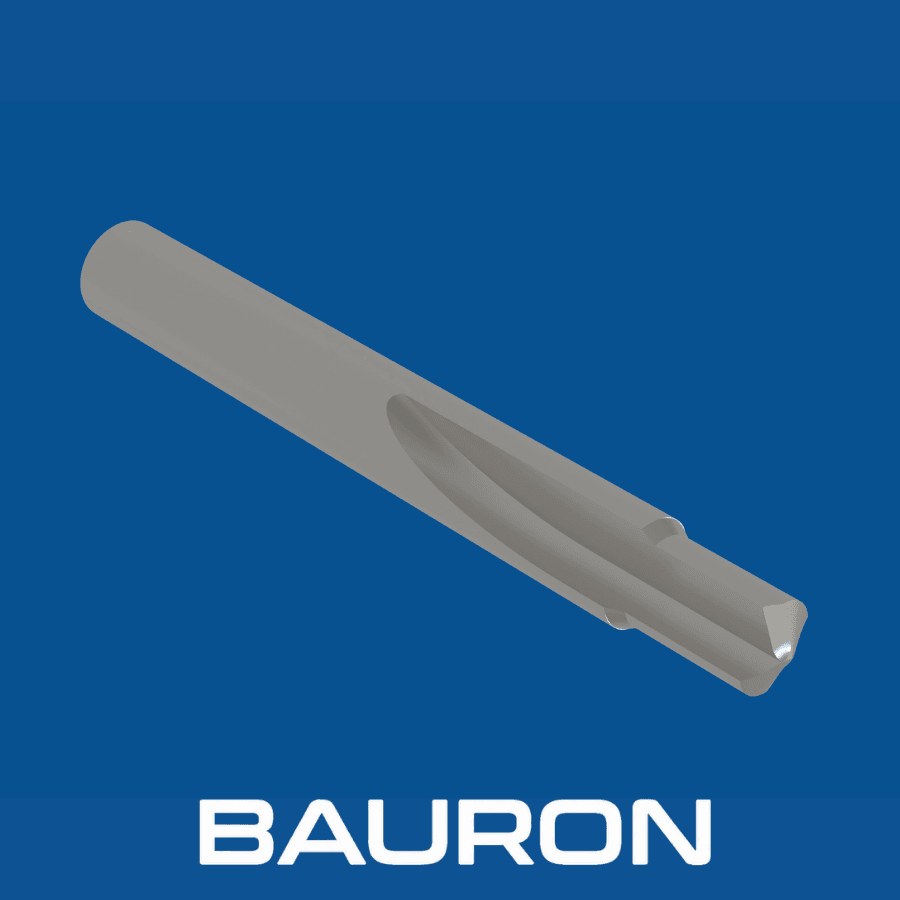
A double margin straight flute drill is a high-precision, rigid cutting tool designed to provide superior hole straightness and stability in short-chipping materials.
View ProductWork with Bauron's engineering team to develop a cutting tool tailored to your application, material and machining requirements.